Understanding The Role Of Moisture Control In Effective Mold Remediation
When homeowners face the daunting issue of mold growth, it often signals more than just a cleaning task—it highlights an underlying problem with moisture control. Mold thrives in damp environments, and without addressing the source of moisture, any remediation efforts may be futile. Today, we’ll delve into why moisture control is essential in effective mold remediation and how you can ensure a healthier indoor environment.
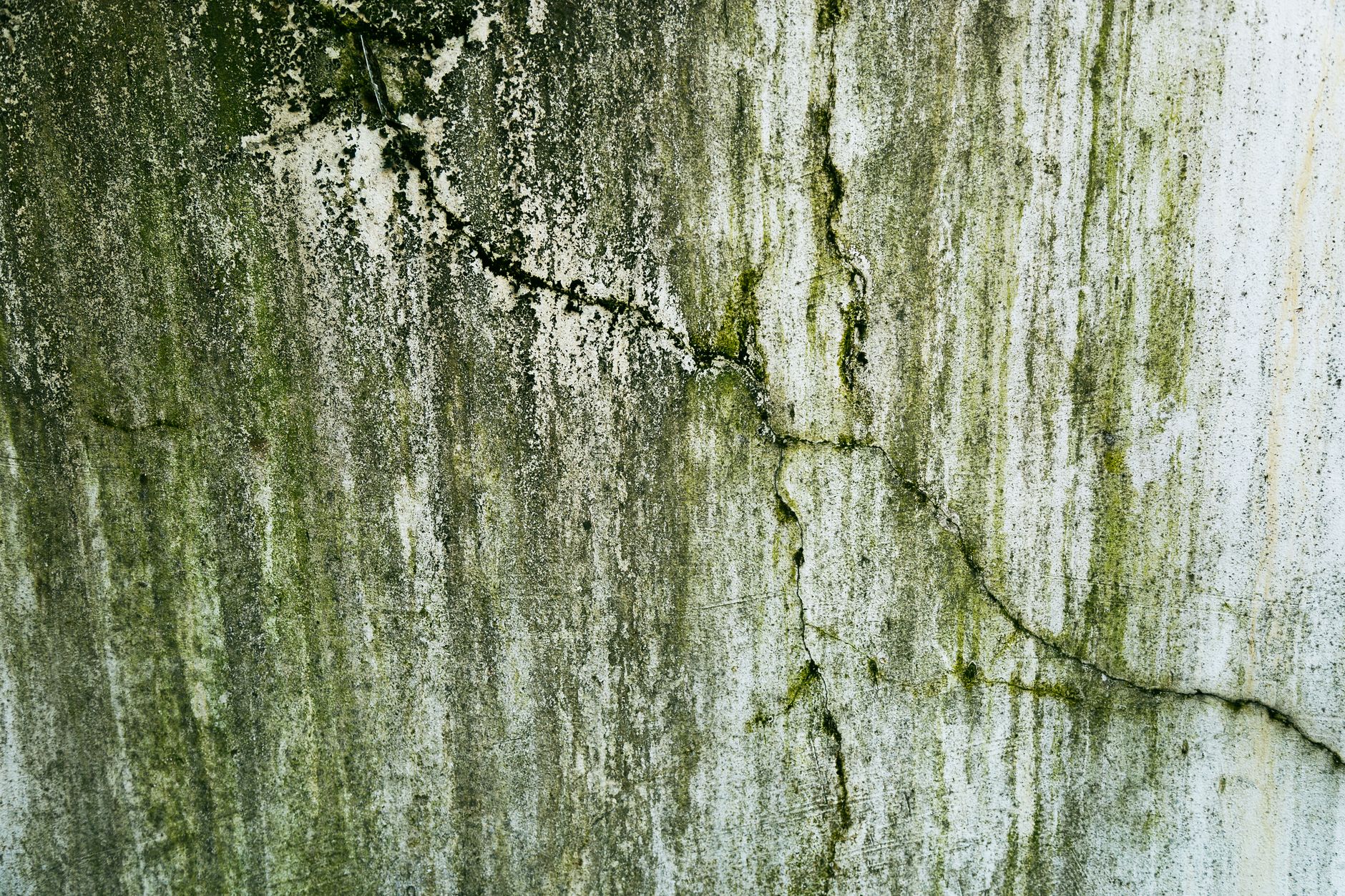
Imagine coming home to a musty smell, noticing dark spots on your walls or ceilings, and feeling the air is thick and stale. This scenario is all too common and can be overwhelming. Not only does mold pose health risks, including respiratory problems and allergic reactions, but it can also lead to significant structural damage if left untreated. The first step towards addressing this nightmare is to understand how moisture control plays a pivotal role in mold remediation.
What is Moisture Control?
Moisture control refers to the methods and practices used to manage humidity and water levels within a building. It involves creating an environment that is inhospitable to mold growth by maintaining appropriate humidity levels, ensuring proper ventilation, and addressing any leaks or water damage swiftly. Effective moisture control is essential because it mitigates the conditions that allow mold to thrive.
Why Moisture Control is Key to Mold Remediation
1. Prevents Mold Growth: Mold spores are present everywhere, but they require moisture to grow. By controlling moisture levels, you eliminate the conditions that allow mold to flourish.

2. Improves Indoor Air Quality: High humidity can lead to poor air quality, which can exacerbate health issues, especially for those with asthma or allergies. Proper moisture management improves the air you breathe.
3. Protects Structural Integrity: Excess moisture can lead to wood rot, drywall damage, and other structural issues. By addressing moisture problems, you protect your property from long-term damage.
Steps to Control Moisture
To effectively control moisture and prevent mold, here are some steps you can take:
- Identify and repair leaks in plumbing, roofs, and windows.
- Ensure proper ventilation in areas prone to moisture, such as bathrooms and kitchens.
- Use dehumidifiers in high-humidity areas to maintain optimal moisture levels.
- Regularly clean and inspect air conditioning systems to prevent mold growth within the units.
- Consider professional services for comprehensive moisture assessments, especially if mold is suspected.
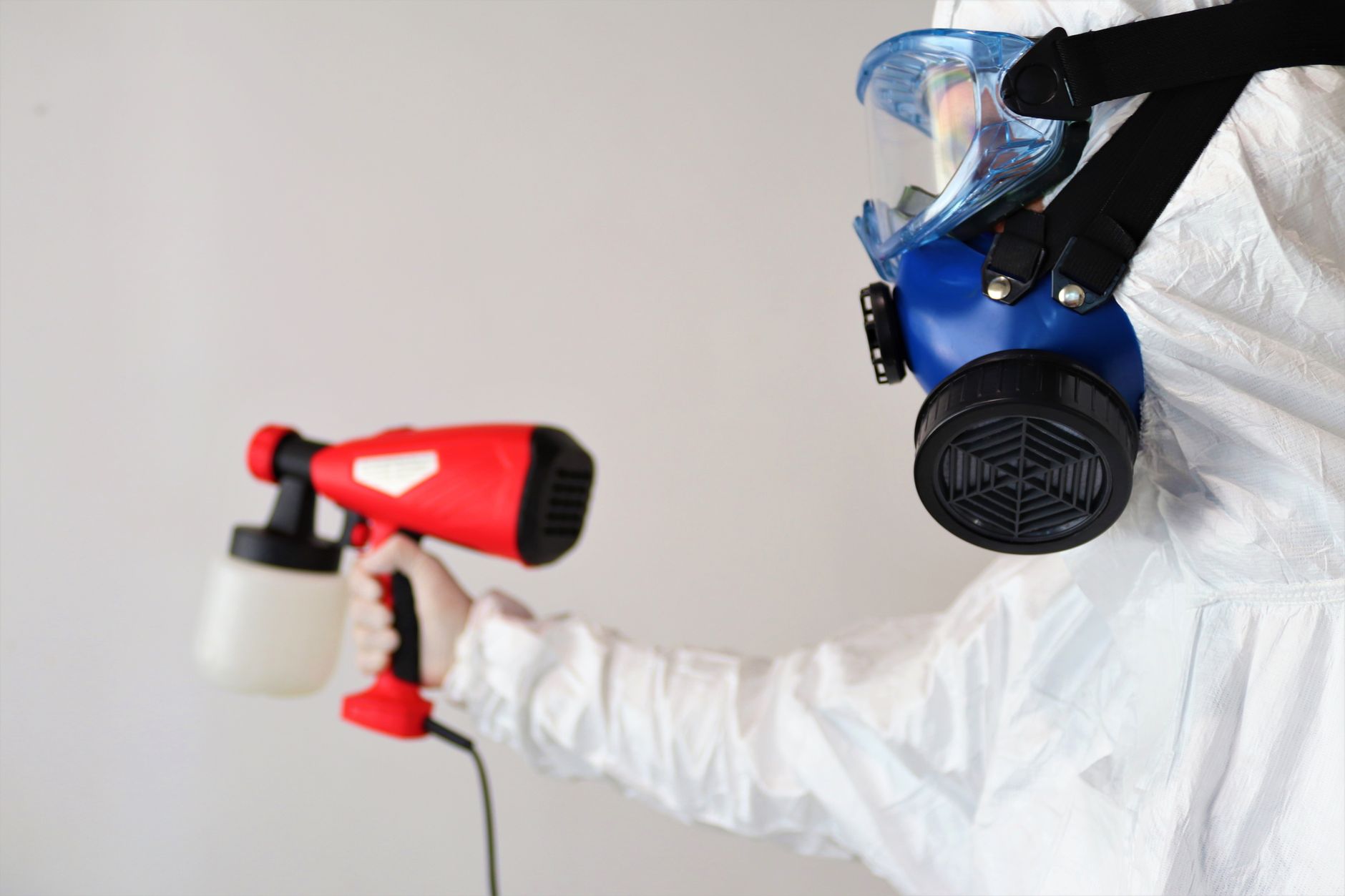
If you notice mold despite your best efforts, it’s essential to call in professionals who specialize in mold removal. They possess the expertise and equipment needed to tackle mold at its source, ensuring it doesn’t return.
When to Seek Professional Help
While some mold issues can be managed through DIY efforts, there are circumstances where professional assistance is necessary. If the mold covers a significant area (more than 10 square feet), if you have health concerns, or if you cannot identify the source of moisture, it’s time to call a restoration professional. They will conduct a thorough inspection and implement a proper remediation plan.
Moreover, controlling moisture goes hand-in-hand with addressing any water damage you may have experienced. If your property has suffered from a recent flood or leak, immediate action is crucial. For instance, if you need to remove water from your home, professionals can help ensure that the water is extracted quickly and efficiently, reducing the risk of mold growth.
For further insights on mold remediation, you can explore more specialized topics, like the crucial steps for effective mold removal after flooding.
Conclusion
Understanding the role of moisture control in mold remediation is vital for any homeowner. A proactive approach to managing moisture not only protects your health but also preserves the integrity of your home. If you find yourself facing a mold problem, remember that timely intervention is key. Whether you choose to address it on your own or call in experts, tackling the moisture issue is your best defense against mold.
Don’t let mold take over your home. Ensure proper moisture control and act quickly if you suspect mold growth. For any additional help, consider reaching out to local experts who can provide the necessary support and guidance.