Navigating The Complexities Of Mold Remediation In Miami Dade Homes
Living in Miami Dade comes with its unique set of challenges, particularly when it comes to mold remediation. The warm, humid climate creates an environment where mold can thrive, and unfortunately, many homeowners find themselves dealing with this unwelcome guest at some point. Understanding the complexities of mold remediation is essential for safeguarding your home and ensuring the health of your family.
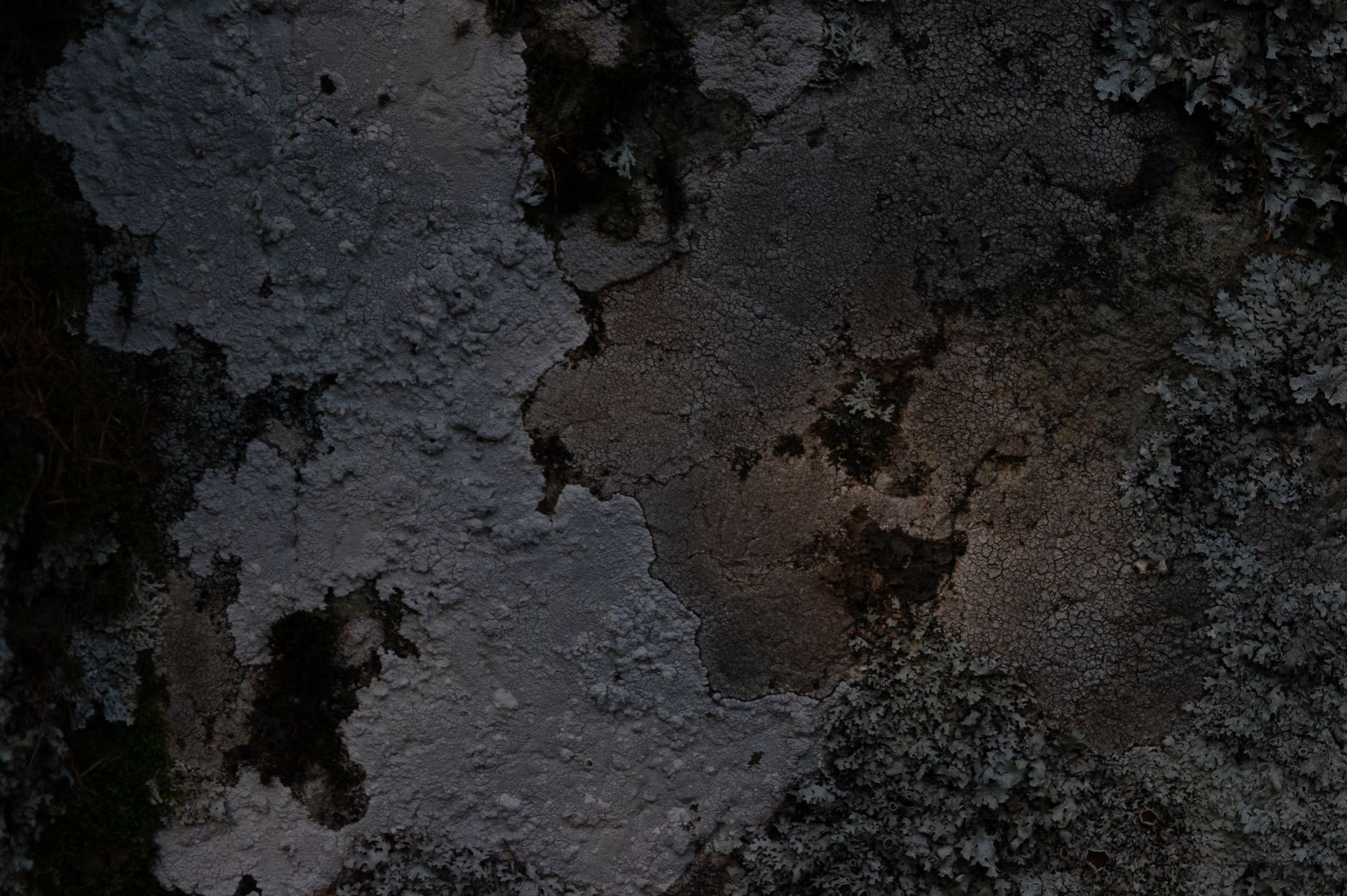
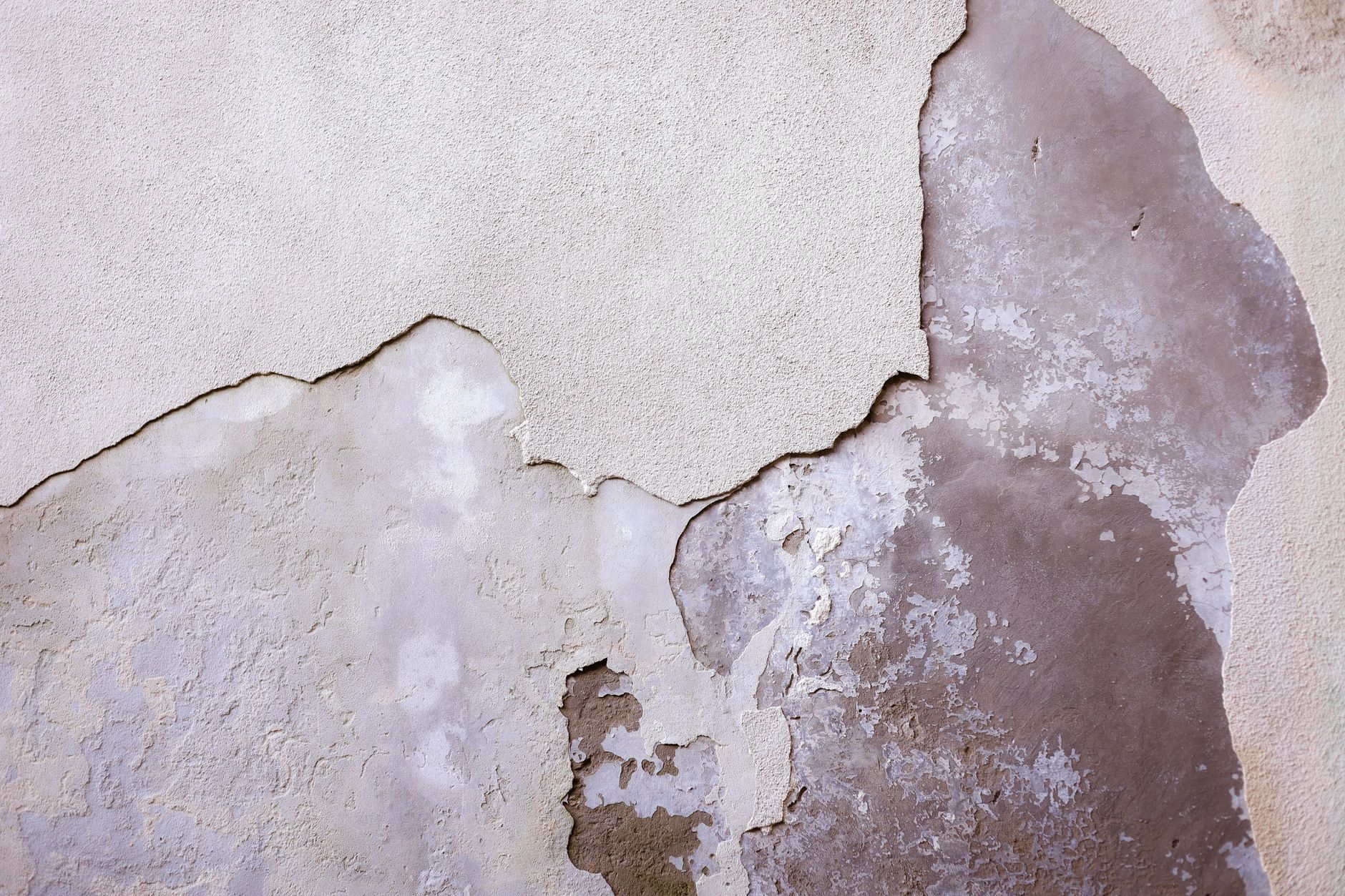
Mold can appear in various forms, from the benign to the toxic, and its presence can lead to significant structural damage and health issues. This is why it’s critical to act quickly if you suspect mold growth in your home. Recognizing the signs of mold is the first step in a successful remediation process. Pay close attention to discoloration on walls, a musty odor, or any signs of water damage, such as leaks or moisture build-up.
Understanding Mold Types and Risks
There are several types of mold, each with different implications for your health and home. Common types found in Miami Dade include:
- Aspergillus: This is a prevalent mold that can cause respiratory issues, particularly in individuals with weakened immune systems.
- Stachybotrys: Often referred to as black mold, it is known for its toxic properties and can lead to severe health complications.
- Cladosporium: This mold type is often found in carpets and fabrics and can trigger asthma and allergy symptoms.
Understanding the type of mold present in your home can help you take appropriate remediation steps. If you’re unsure, consider reaching out to a professional mold remediation service. Experts can conduct testing to identify the mold type and recommend the best course of action.

The Mold Remediation Process
Mold remediation is not just about cleaning up the visible mold; it involves a comprehensive approach to eliminate mold spores and prevent future growth. Here’s a general outline of the process:
- Assessment: A professional will assess the extent of the mold growth and identify moisture sources.
- Containment: Areas with mold will be sealed off to prevent spores from spreading during remediation.
- Filtration: Air scrubbing and HEPA filtration systems are used to remove mold spores from the air.
- Cleaning: Affected surfaces are cleaned and sanitized, while porous materials that cannot be salvaged may be removed.
- Restoration: Any structural damage will be repaired to restore your home to its pre-mold condition.
This process can be lengthy and may require specialized equipment, making it essential to hire a licensed and experienced mold remediation contractor. Trying to tackle mold issues yourself can lead to incomplete removal and potential health risks.
When to Call a Professional
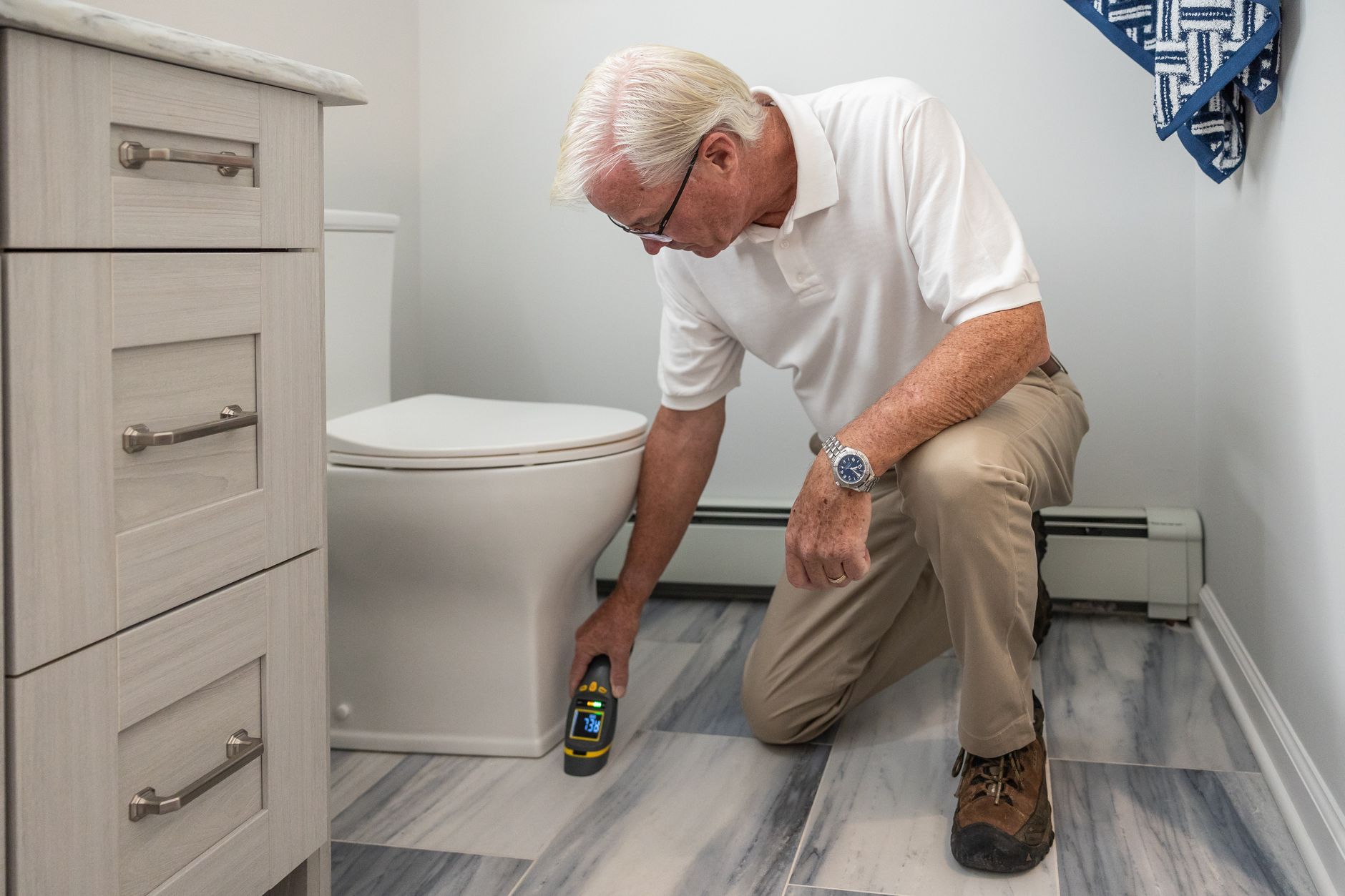
It’s tempting to handle small mold issues on your own, but many homeowners underestimate the problem’s severity. If you notice extensive mold growth, or if the affected area is larger than 10 square feet, it’s time to call in the professionals. Additionally, if there are underlying water leaks or damage, a restoration expert can address these issues concurrently with mold remediation.
Another critical factor is your health. If anyone in your household has respiratory issues or allergies, it’s best to seek professional help immediately. Mold can exacerbate these conditions and pose serious health risks.
Insurance Considerations
Dealing with mold remediation can be costly, and understanding your insurance coverage is vital. Many policies cover mold damage if it results from a covered peril, such as water damage from a burst pipe. However, policies may vary, so it’s essential to review your coverage and consult your insurance provider regarding claims related to mold remediation.
For a smoother claims process, document the damage with photographs and keep a detailed record of the remediation steps taken. This information can be invaluable when filing a claim.
Prevention is Key
Once the mold has been removed, it’s crucial to take steps to prevent future growth. Here are some effective strategies:
- Ensure proper ventilation in your home, especially in high-moisture areas like bathrooms and kitchens.
- Use dehumidifiers to control humidity levels, particularly during the humid summer months.
- Regularly inspect your home for leaks or water damage and address any problems immediately.
By taking proactive steps, you can protect your home from mold and the associated costs of remediation.
Local Resources and Support
If you find yourself facing mold issues, remember that you’re not alone. Broward Restoration Pros offers expert mold remediation services in the Broward County area. Their team is equipped to handle mold removal efficiently and safely, ensuring that your home becomes a safe haven once again.
For more information on related topics, check out this insightful article on navigating water damage restoration in Broward County. Understanding the interplay between water damage and mold is essential for comprehensive home maintenance.
In conclusion, facing mold remediation can be a daunting experience, but with the right knowledge and professional help, you can navigate this complex process effectively. Stay informed, act promptly, and prioritize your home’s health to ensure a mold-free environment for you and your family.