How To Create A Disaster Recovery Plan For Your Miami Dade Home
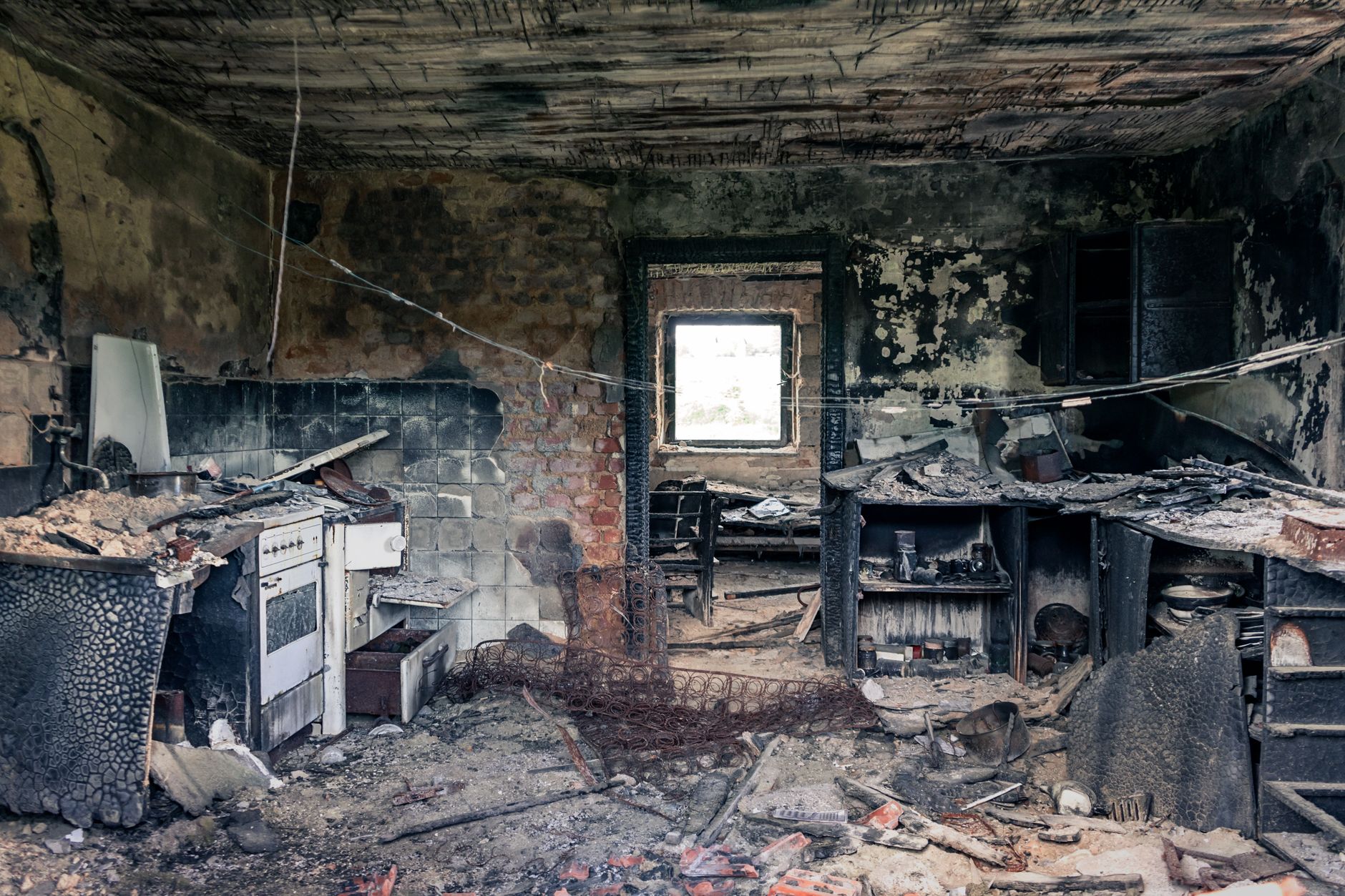
When disaster strikes, the safety and security of your home can feel like it’s hanging by a thread. Whether it’s a sudden flood, a fire, or severe storm damage, knowing how to respond quickly and efficiently can make all the difference in minimizing damage and restoring your home. This is where a comprehensive disaster recovery plan comes into play. Not only does it help you navigate through the chaos, but it also provides peace of mind knowing that you are prepared for the unexpected.
Creating a disaster recovery plan is not just about having a checklist; it’s about understanding your home, its vulnerabilities, and the steps you need to take to protect your family and property. Here’s how to set up a solid recovery plan tailored specifically for your Miami Dade home.
Assessing Potential Risks
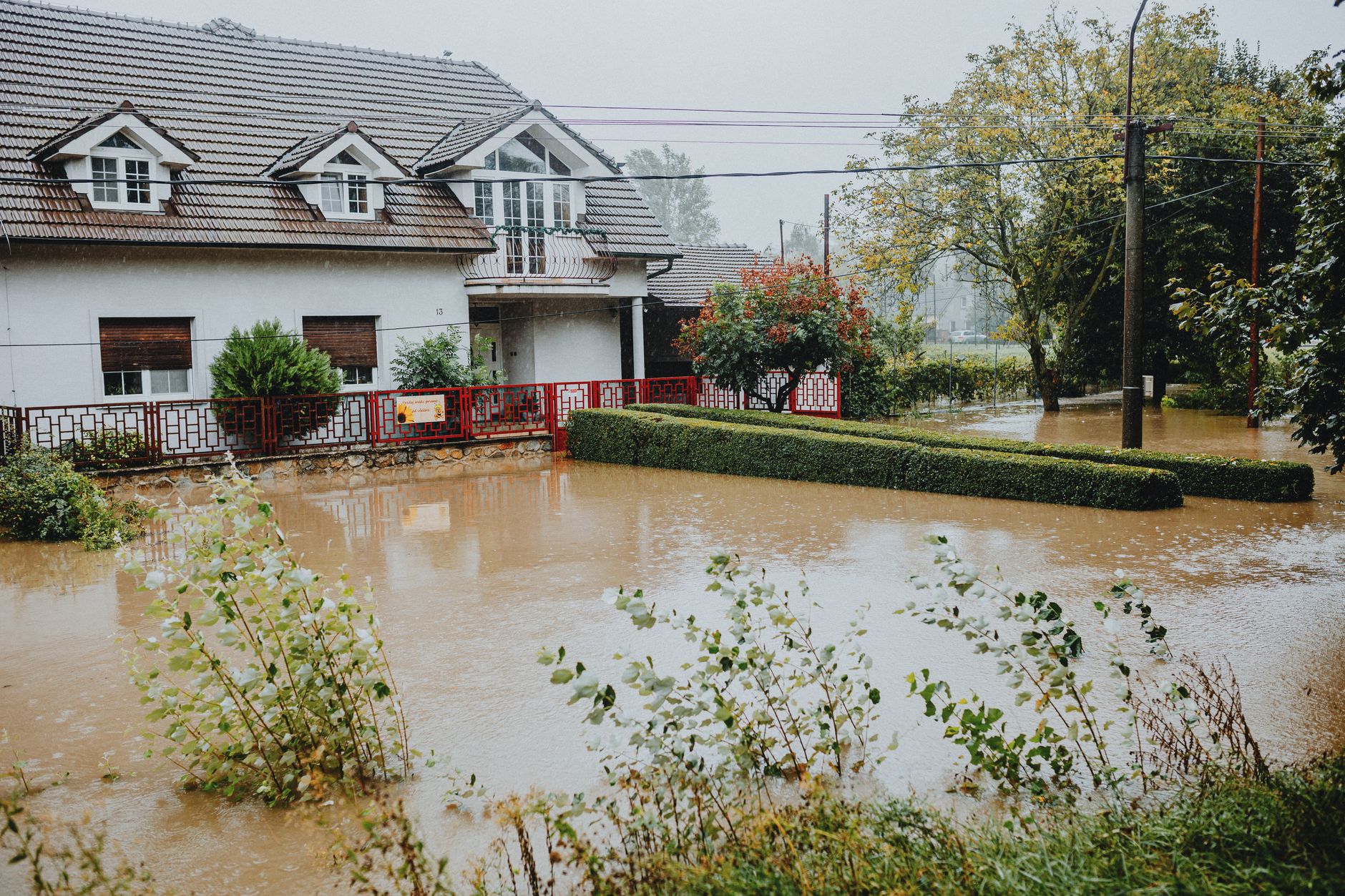
The first step in crafting your disaster recovery plan is to assess the specific risks your home may face. Miami Dade is prone to various natural disasters, including hurricanes, floods, and even wildfires. Take some time to identify which risks are most relevant to your area. This assessment will guide your plan and help prioritize your response strategies.
Develop a Communication Strategy
In the event of a disaster, communication is key. Establish a communication plan that includes:
- Contact information for family members and friends.
- Emergency services numbers.
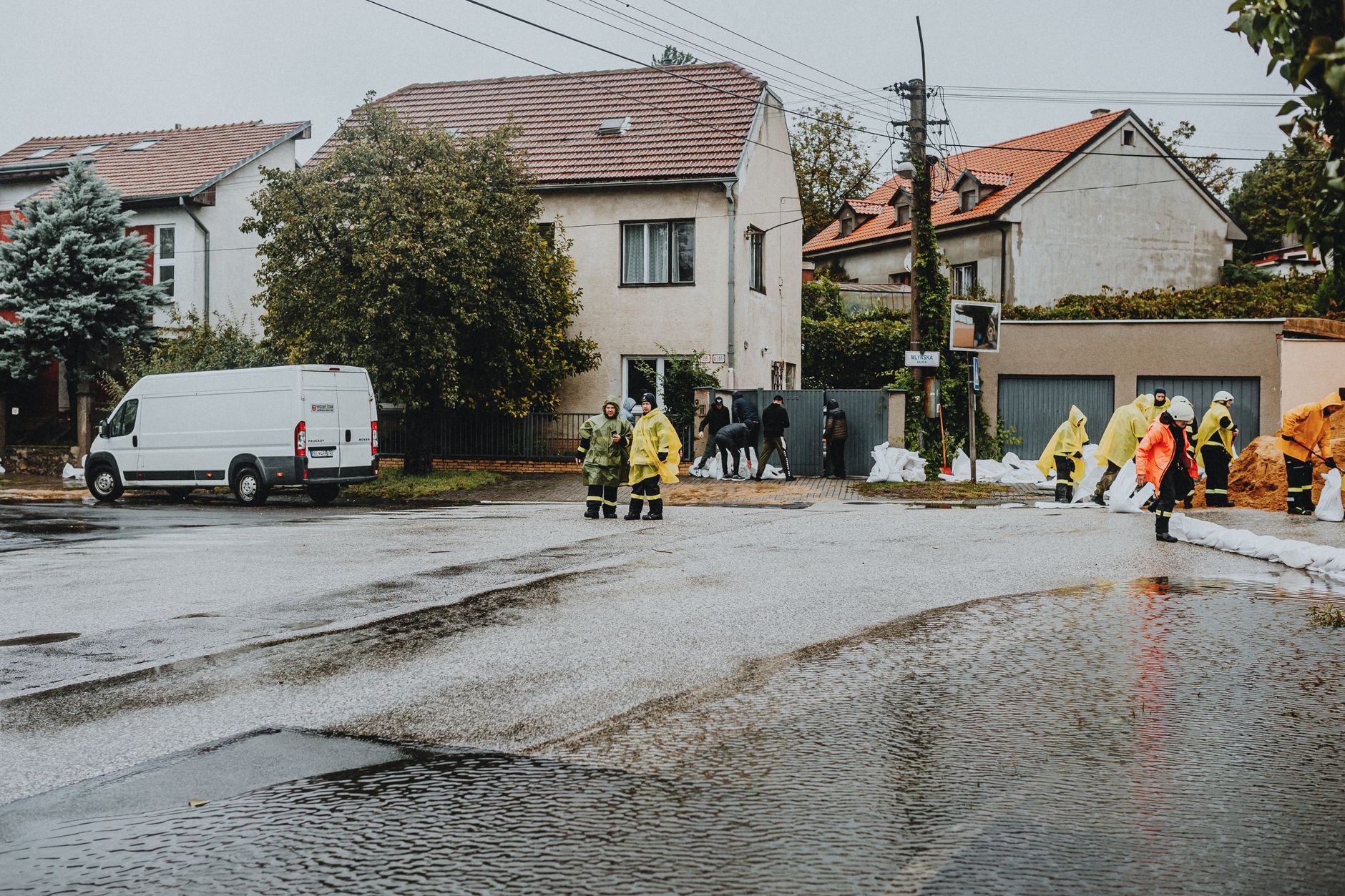
- A designated meeting point outside your home.
Ensure that every family member is aware of this plan and practices how to execute it. Regularly review and update the contact information as needed.
Create an Emergency Kit
Your emergency kit should contain essential items that will help you survive for at least 72 hours. Some items to consider include:
- Water (one gallon per person per day).
- Non-perishable food items.
- A flashlight and extra batteries.
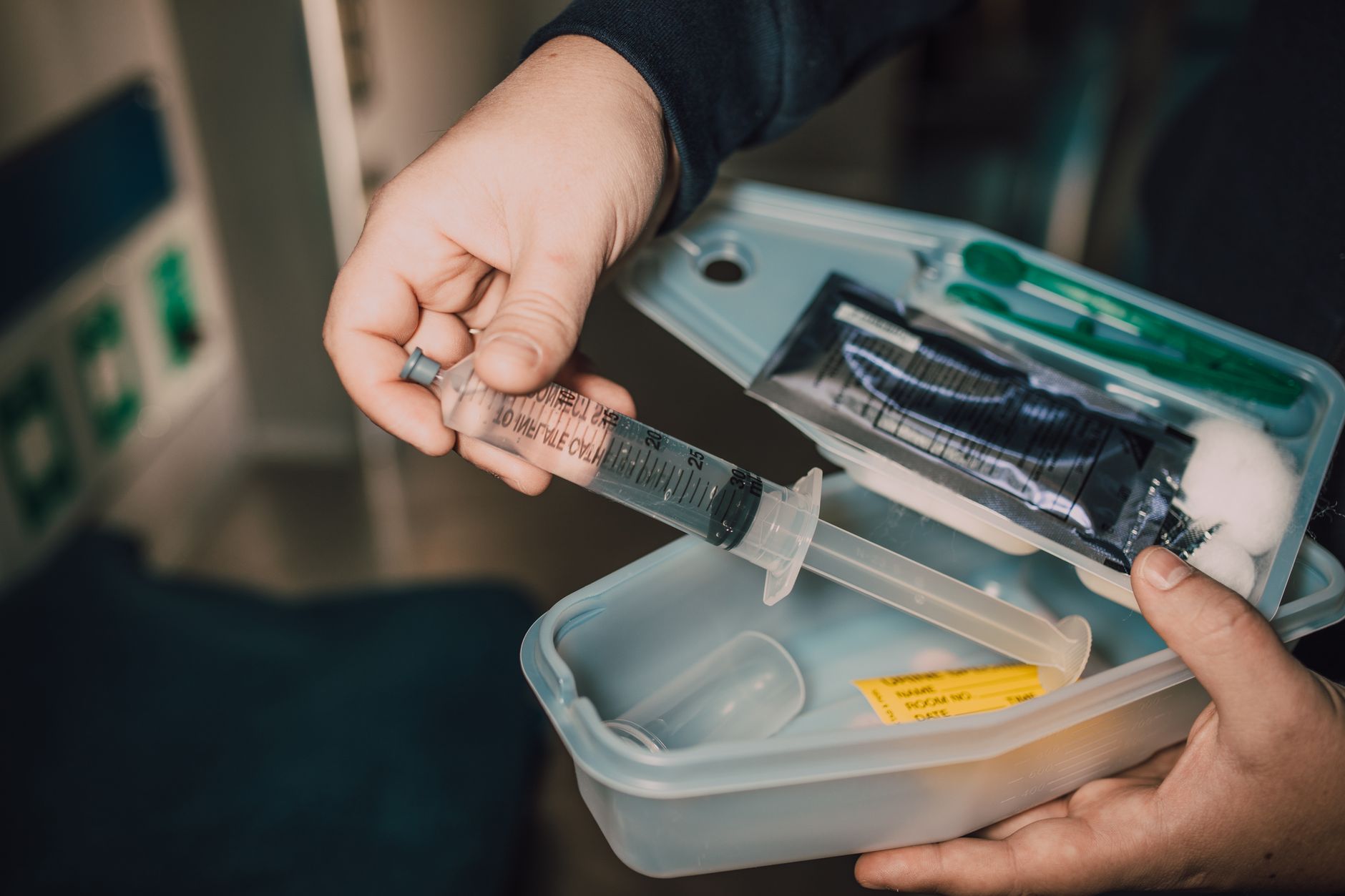
- First-aid supplies.
- A whistle to signal for help.
- Personal hygiene products.
Store your emergency kit in a readily accessible location, and ensure all family members know where it is.
Document Your Home
In the event of damage, having thorough documentation of your home’s condition can be invaluable, particularly for insurance claims. Take photos or videos of each room, including valuable items, appliances, and any unique features. Keep this documentation in a secure location, ideally both digitally and in hard copy.
Understand Your Insurance Coverage
Review your homeowner’s insurance policy to understand what is covered in the event of a disaster. Are floods covered? What about fire damage? Knowing the specifics of your coverage can save you from surprises during a stressful time. If you identify gaps in your policy, contact your insurance agent to discuss options for supplemental coverage.
Develop a Restoration Plan
Having a plan for restoration is crucial. Identify local restoration services that can assist you after a disaster. For homeowners in Miami Dade, Restore Miami Fast offers comprehensive restoration services that can help you get back on your feet quickly. Their expertise in dealing with various disaster scenarios ensures that you are not alone during recovery.
Practice Your Plan
Once your plan is in place, conduct regular drills with your family. This practice not only reinforces the procedures but also helps everyone feel more confident in their roles during an actual emergency. Make adjustments to your plan as necessary to account for changes in your family dynamics or home layout.
Resources for Further Support
For additional guidance on disaster recovery, you might find value in exploring related topics. Consider reading this blog article on mold remediation, which provides insights into dealing with one specific type of damage that can occur post-disaster.
In conclusion, creating a disaster recovery plan is a proactive step every homeowner should take, especially in regions like Miami Dade, where natural disasters are a real threat. By assessing risks, preparing emergency kits, documenting your property, and understanding your insurance, you can mitigate the impact of disasters and restore your home as quickly as possible.
For immediate assistance in the event of a water damage emergency, you can rely on Broward Restoration Pros who are ready to help you 24/7.