How To Create A Comprehensive Mold Remediation Plan For Your Miami Home
Facing a mold issue in your Miami home can be daunting. Whether it’s the aftermath of a water leak, flooding, or just the humidity that our beautiful city is known for, tackling mold growth requires a careful and structured approach. A comprehensive mold remediation plan is essential to ensure that your home is restored safely and effectively. Let’s walk through the steps you can take to create a solid action plan.
Understanding Mold and Its Risks
Mold is a type of fungus that thrives in moist environments, and in Miami's humid climate, it can grow quickly and spread widely. Understanding the risks associated with mold is the first step in your remediation plan. Some types of mold can cause health issues, particularly for individuals with respiratory conditions or weakened immune systems. Therefore, recognizing the signs of mold growth early can help prevent more serious problems down the line.
Step 1: Identify Mold Growth
The first step in your remediation plan is to identify where mold is growing. Check areas that are prone to moisture, such as:
- Bathrooms
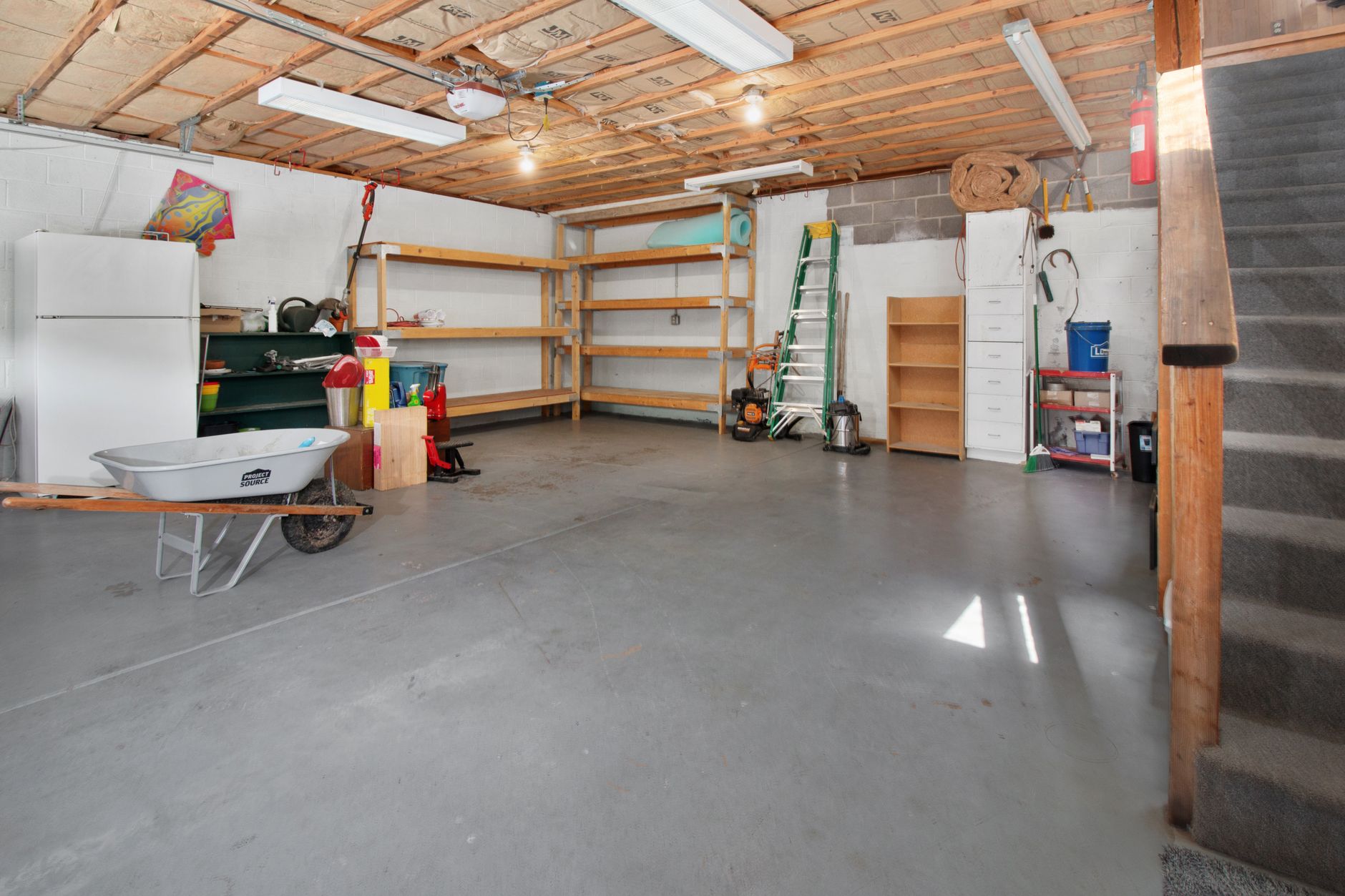
- Basements
- Under sinks
- Around windows and doors
- Attics
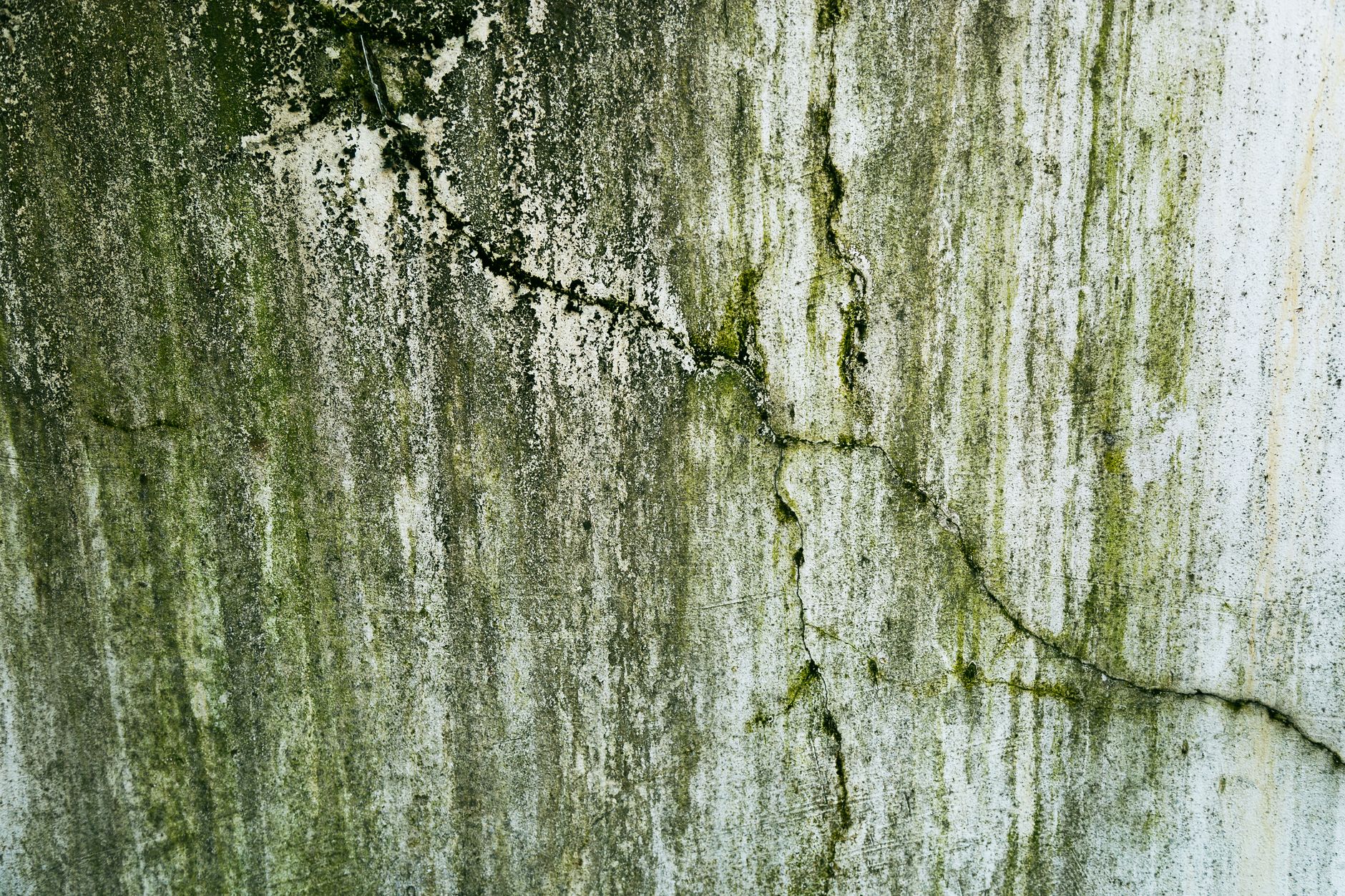
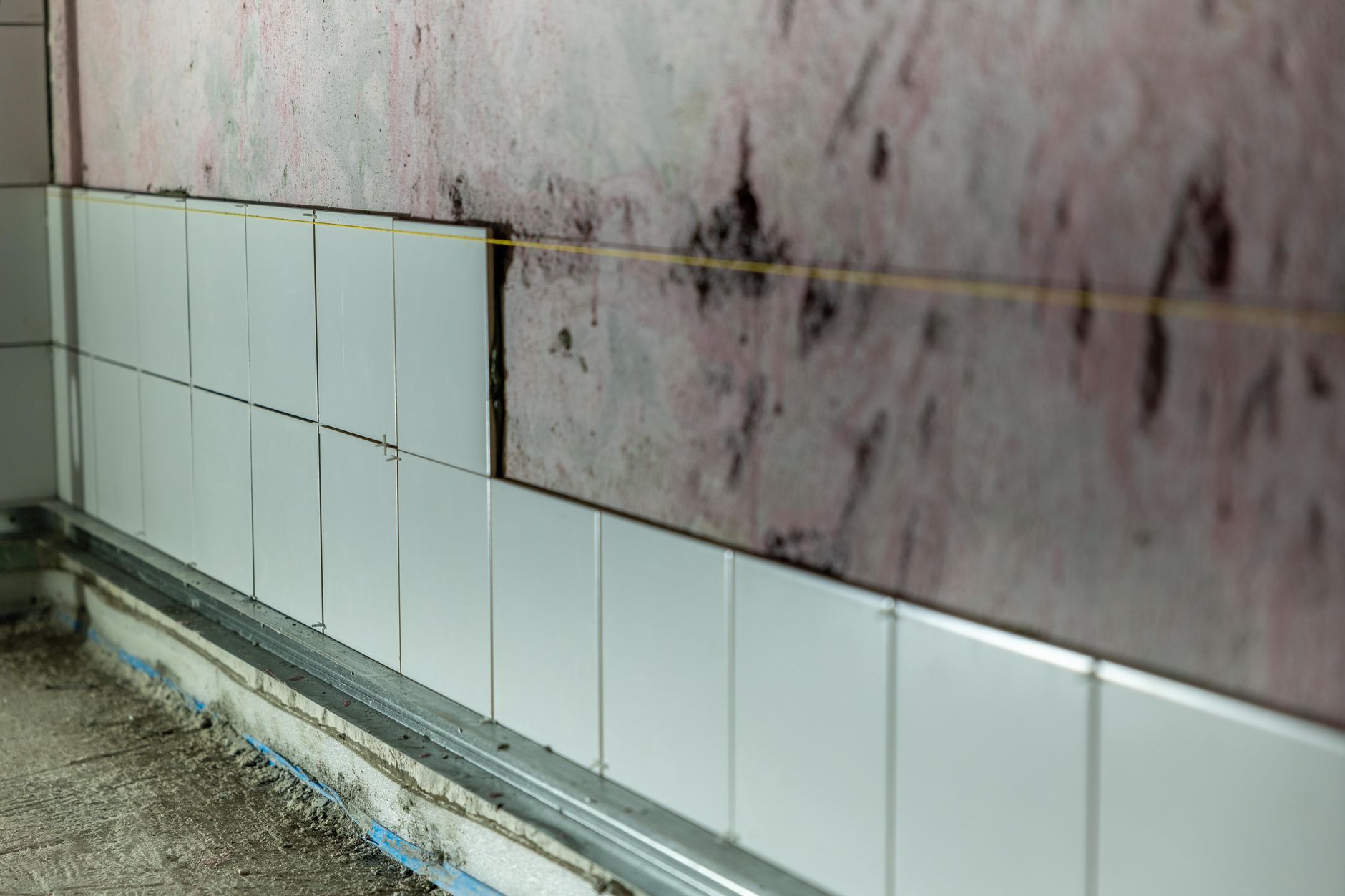
Look for visible mold, which can appear as black, green, or even white patches. Additionally, if you notice a musty odor, this could be a sign of hidden mold growth. In such cases, you may need to contact a professional for a thorough air duct mold removal inspection.
Step 2: Assess the Extent of the Problem
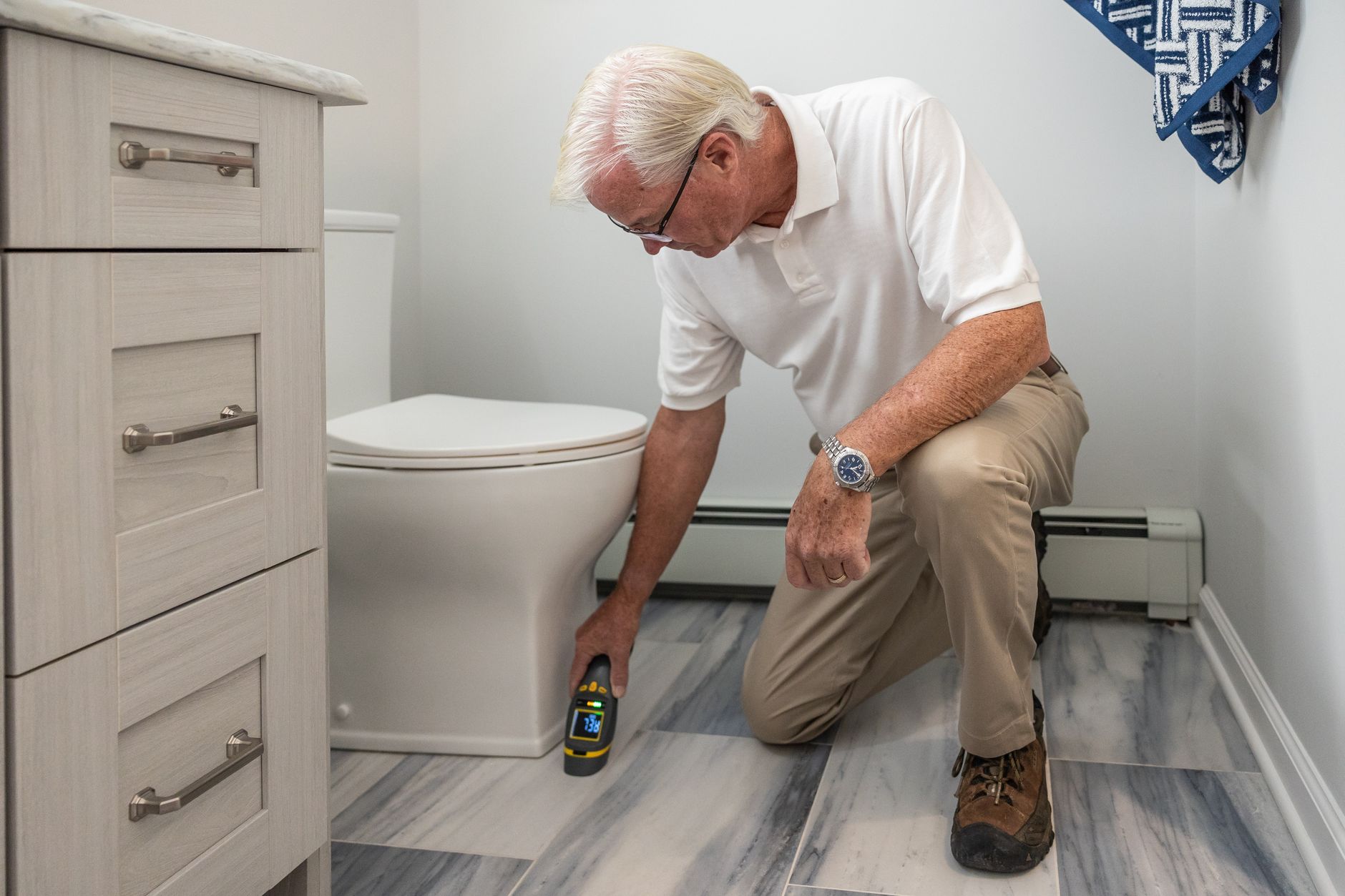
Once you’ve identified mold growth, assess how extensive the problem is. If mold covers an area larger than ten square feet, the Environmental Protection Agency (EPA) recommends hiring a professional for remediation. However, if it's a smaller area, you might consider handling it yourself with appropriate safety gear, such as gloves and a mask.
Step 3: Create a Containment Plan
To prevent mold spores from spreading during the cleanup, it’s essential to contain the area. Use plastic sheeting to seal off the affected area from the rest of your home. This can help minimize the risk of mold spreading to other rooms. Additionally, turn off any HVAC systems to avoid circulating spores.
Step 4: Remove and Dispose of Contaminated Materials
Next, remove any materials that are contaminated with mold. This can include drywall, carpet, or insulation that cannot be cleaned effectively. Be sure to double-bag these materials in plastic and dispose of them according to local regulations. If you’re uncertain about what to do, it’s always wise to consult with a mitigation contractor.
Step 5: Clean and Disinfect
For surfaces that can be cleaned, use a mixture of water and detergent or a specialized mold-removal product. Ensure you scrub the affected areas thoroughly. After cleaning, use a disinfectant to kill any remaining mold spores. Remember, if you’ve used any harsh chemicals, ensure the area is well-ventilated.
Step 6: Dry the Area
Drying is critical after cleaning. Use dehumidifiers and fans to thoroughly dry out the area. This will help prevent mold from returning. In humid environments like ours, maintaining low moisture levels is key, so consider investing in a good dehumidifier for future prevention.
Step 7: Monitor for Recurrence
After your remediation efforts, keep a close eye on the area for signs of returning mold. Regular inspections can help catch any new growth before it becomes a larger issue. Additionally, consider implementing routine checks in areas prone to moisture.
When to Call in the Professionals
If at any point during your remediation process, you feel overwhelmed or unsure, do not hesitate to reach out to professionals. Restoration experts have the tools and expertise to handle more extensive mold issues safely. For instance, air duct mold removal services can be crucial in preventing mold from spreading through your HVAC system.
Insurance Considerations
Be sure to document all your findings and actions taken during your remediation. This documentation can be critical if you decide to file an insurance claim. Many policies cover mold damage, but the specifics can vary significantly. For more information on navigating insurance claims related to mold, consult a professional or consider reviewing resources like this insightful blog post about mold growth in coastal areas.
Final Thoughts
Mold remediation is a critical process that requires careful planning and execution. By following these steps, you can ensure that your Miami home is safe and mold-free. Remember, if you ever feel overwhelmed, don’t hesitate to reach out to a professional restoration service. They can provide not just cleanup, but ongoing support to keep your home healthy.