Essential Steps For Post-Storm Mold Remediation In Miami Dade Homes
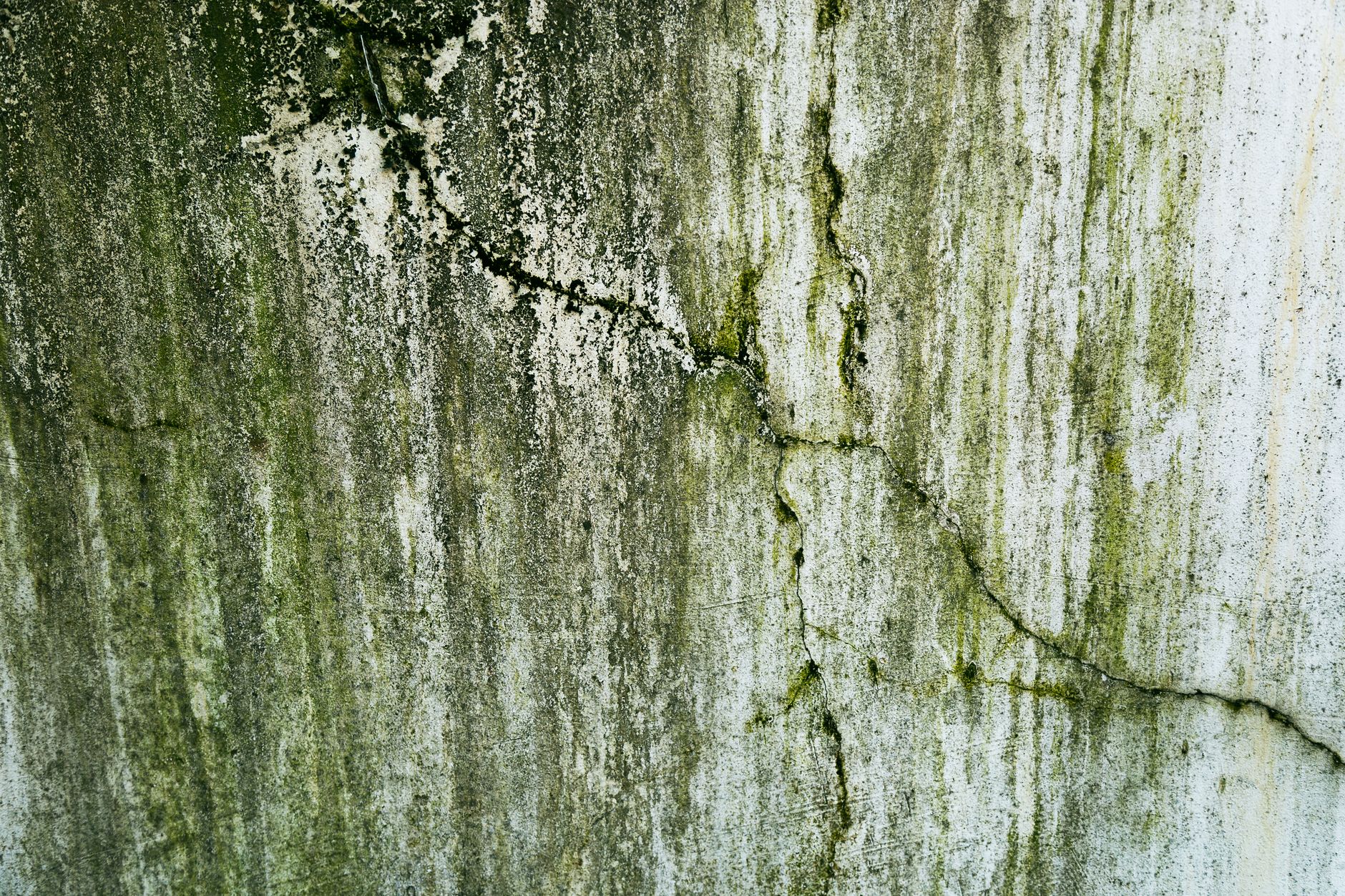
After a storm, the aftermath can leave homeowners in Miami Dade grappling with more than just the physical damage to their properties. The threat of mold growth is a serious concern that can escalate quickly if not addressed promptly. Mold can begin to develop within 24 to 48 hours following water intrusion, making swift action crucial for restoring your home and protecting your health.
When you first assess the situation post-storm, it’s important to remain calm and focused. Here are the essential steps for effective mold remediation:
1. Assess the Damage
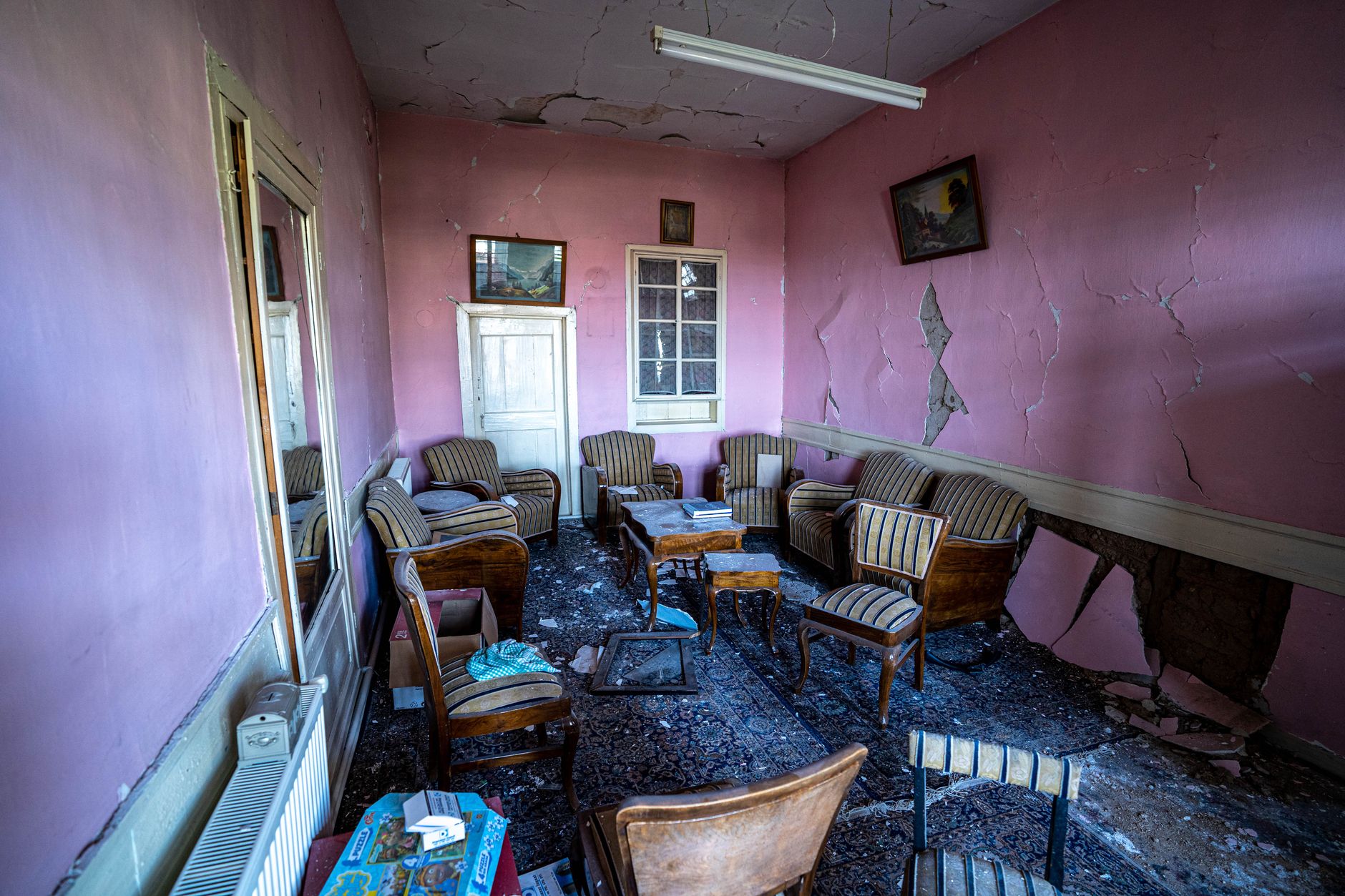
Begin by identifying areas where water has entered your home. Look for visible signs of water damage, such as discoloration on walls or ceilings, damp spots, and musty odors. Pay close attention to hidden spaces like behind furniture, inside cabinets, and under carpets where moisture may linger.
2. Ensure Safety First
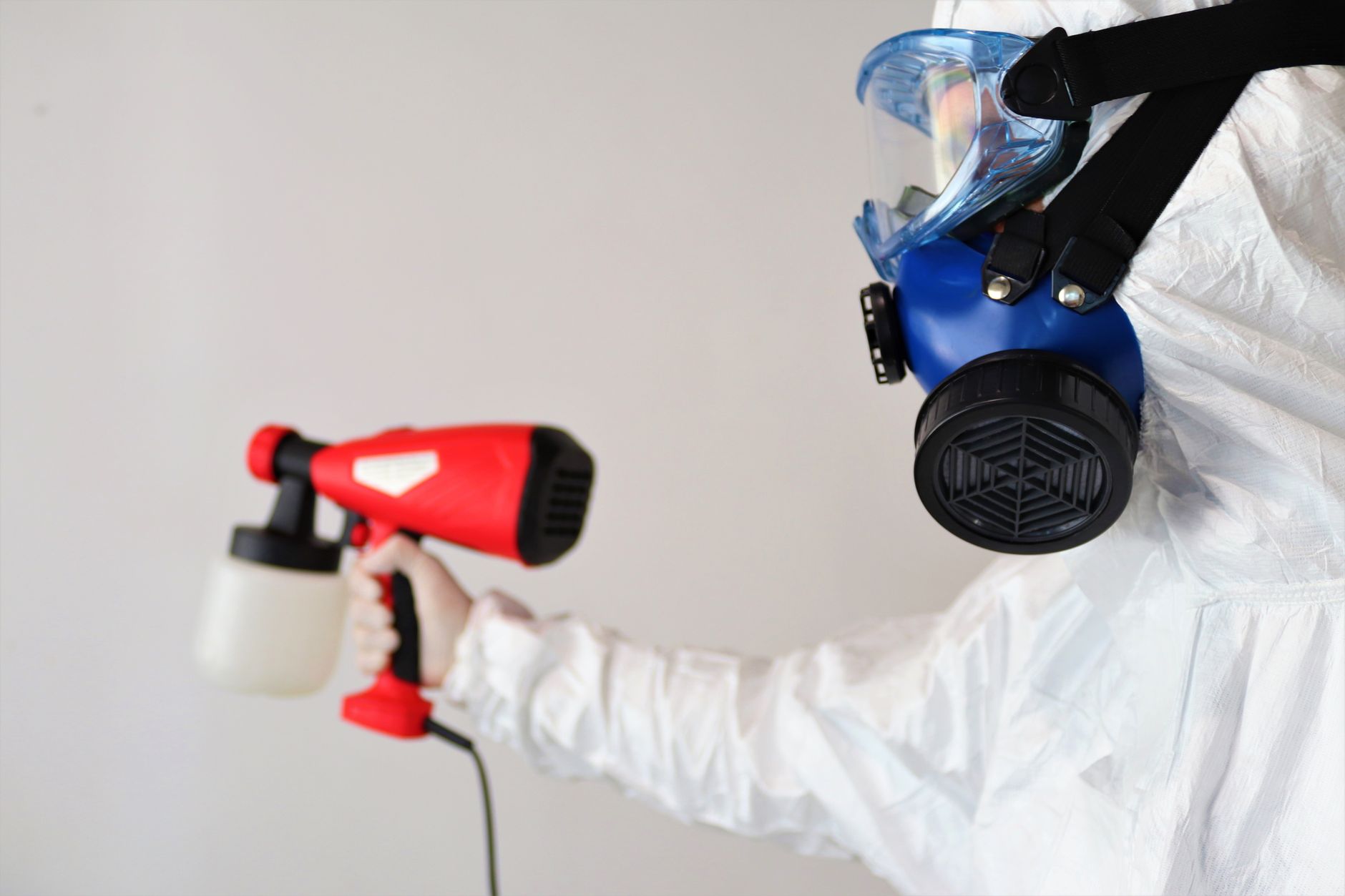
Before you start any cleanup, prioritize safety. If you suspect severe water damage or structural issues, it’s wise to contact a professional restoration service. Wear protective gear, including gloves, goggles, and a mask, to shield yourself from potential mold spores and contaminants.
3. Remove Standing Water
If there’s standing water present, it should be removed as quickly as possible. Use a wet/dry vacuum to extract water from carpets and floors. For larger amounts of water, consider renting a pump or hiring a professional service to assist.
4. Dry the Affected Areas
Once the water is removed, the next step is to dry out the affected areas thoroughly. Open windows and doors for ventilation, and use fans or dehumidifiers to accelerate the drying process. Aim to achieve a moisture level below 60% to inhibit mold growth.
5. Clean and Disinfect
After drying, it’s crucial to clean and disinfect all surfaces that were affected by water. Use a solution of water and detergent or a commercial cleaner to scrub walls, floors, and furniture. Pay special attention to porous materials like carpets and upholstery, which may need professional cleaning or replacement.
6. Monitor for Mold
Keep a close eye on areas that were affected for signs of mold. If you notice any black spots or a musty smell within a few days, it’s essential to take further action. For extensive mold growth, it’s advisable to consult with a mold remediation specialist.
In cases of severe mold infestations, professionals can evaluate the extent of the growth and recommend the best course of action. They might utilize advanced techniques such as air duct mold removal to ensure your home’s air quality is safe.
7. Prevent Future Mold Growth
To prevent mold from returning, address any underlying issues such as leaks in plumbing or roofing. Regular maintenance and inspections can go a long way in safeguarding your home. Additionally, consider employing antimicrobial treatments to inhibit mold growth in high-risk areas.
After addressing current problems, it’s beneficial to stay informed about your insurance coverage. Many homeowners’ policies include provisions for mold remediation following water damage, but each policy is different. Be sure to document all damage and any steps taken to mitigate it, as this will be helpful when filing a claim.
For Miami Dade residents facing post-storm mold issues, it’s crucial to act quickly and efficiently. The consequences of neglecting mold can lead to health hazards and costly repairs down the line. If you feel overwhelmed or uncertain about the process, don’t hesitate to seek help from professionals who specialize in mold remediation.
For more extensive mold assessments, consider reaching out to Palm Beach Mold And Water, who provide expert services in your area.
Additionally, learning about the steps for mold assessment can be invaluable. Check out this insightful article on essential steps for post-disaster mold assessment for further guidance.