The Complete Guide To Assessing Water Damage In Miami Homes
Water damage can be a homeowner's worst nightmare, especially in a humid climate like Miami. From sudden leaks to gradual moisture intrusion, understanding how to assess water damage is crucial. Imagine coming home to find your living room carpet soaked or your kitchen cabinets swelling from hidden leaks. The disruption can be overwhelming, but knowing how to identify and assess the damage can help you take control of the situation.
First and foremost, it’s important to recognize the common sources of water damage in Miami homes. These might include:

- Pipe leaks from aging plumbing systems.
- AC unit leaks, which can cause significant moisture accumulation.
- Overflows from sinks, bathtubs, or toilets.
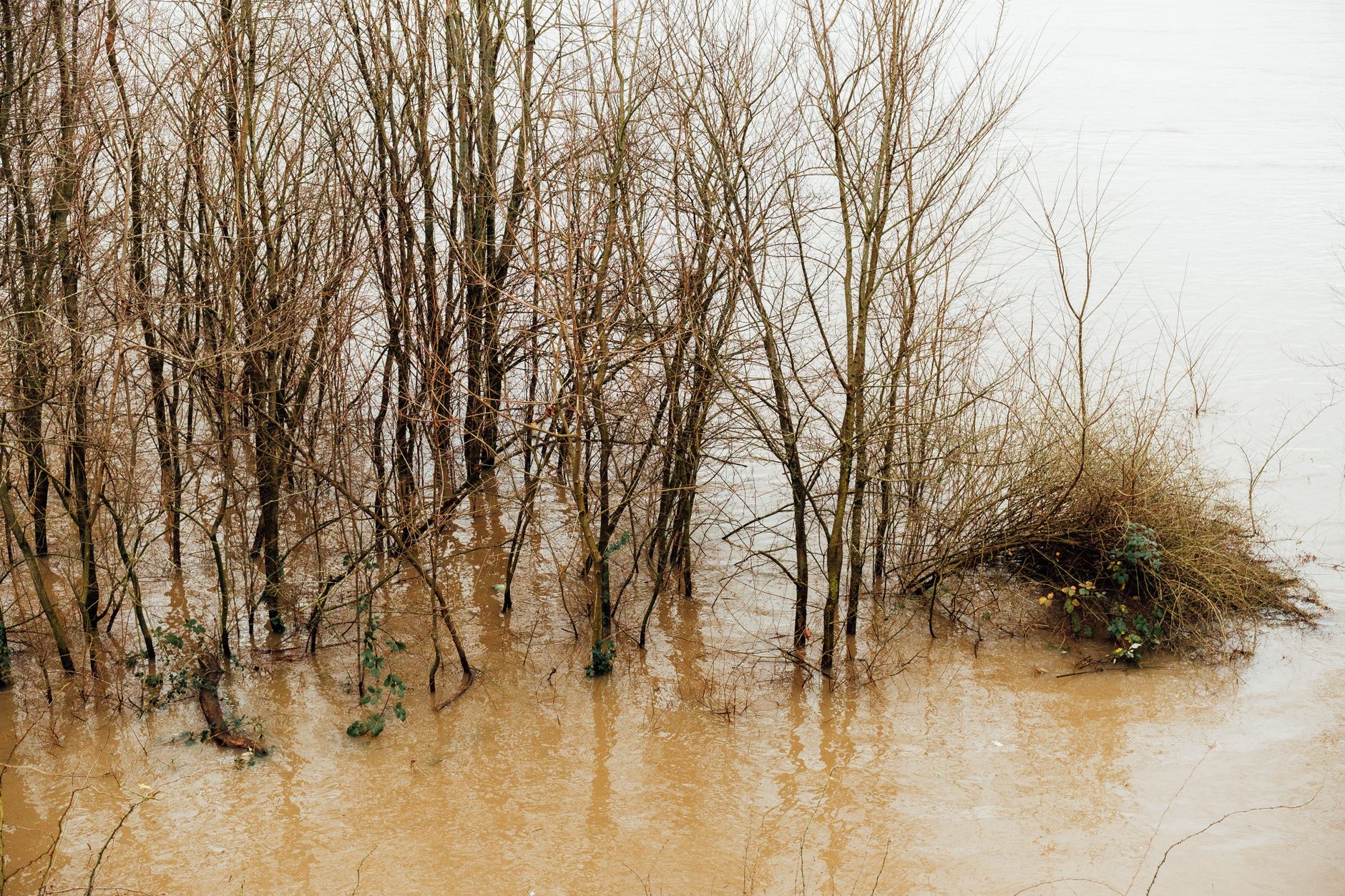
- Severe weather events leading to flooding.
Once you suspect water damage, the first step is to assess the extent of the issue. Start by identifying visible signs of damage. Look for water stains on walls and ceilings, which can indicate leaks above. Pay attention to any warped or buckled flooring, as these are often signs of prolonged exposure to moisture.
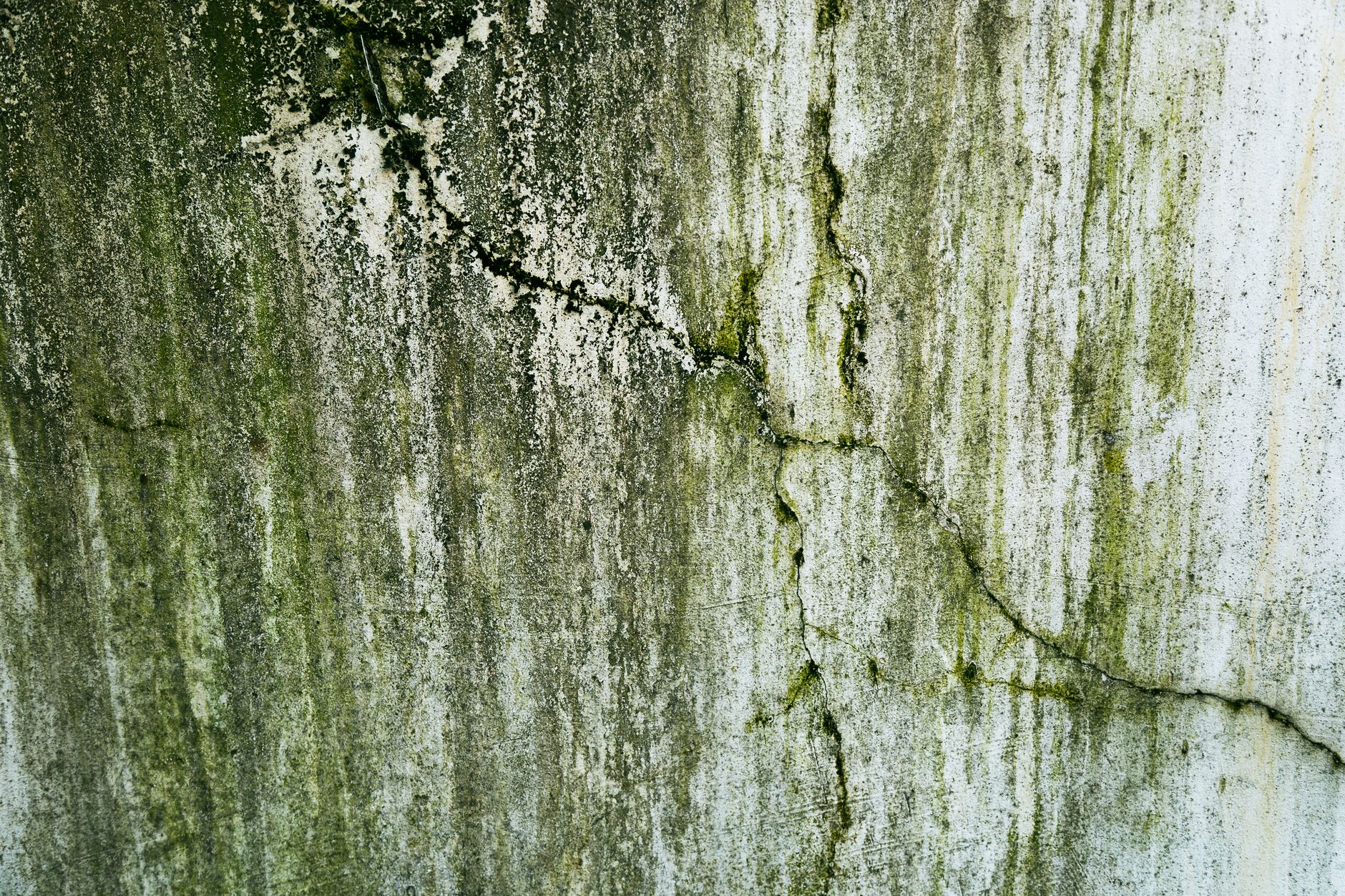
Another key factor to consider is the presence of mold. After water damage, mold can develop within 24 to 48 hours. If you notice a musty odor or see black or green spots on walls, it may already be too late to handle the situation alone. In such cases, it's wise to call a mitigation contractor who specializes in Mold & Moisture Problems.
Next, you should check for hidden moisture. This can be a tricky task, as water can seep into areas that are not immediately visible. Use a moisture meter if you have one, or consider hiring a professional for a thorough inspection. They can utilize advanced techniques like thermal imaging to locate hidden leaks and moisture levels in your walls and floors.
If you determine that your home has sustained water damage, it's essential to act quickly. The longer the water sits, the more extensive the damage can become. Here are a few practical steps to take:
- Shut off the water supply to prevent further damage.
- Remove any standing water using wet vacuums or pumps.
- Dry out the affected areas using fans and dehumidifiers.
- Document the damage for your insurance claim.
When it comes to insurance, understanding your coverage is equally important. Many homeowners are surprised to learn that not all water damage is covered under standard policies. It's advisable to review your policy and consult with your insurance agent to understand what is included and what isn't. If you need help navigating this process, check out our Insurance & Claims Help page for further guidance.
Finally, if the damage is extensive or involves mold, it’s best to call in professionals. A certified restoration contractor can provide a comprehensive assessment and help mitigate further damage. For example, if you find yourself facing a major leak or flooding, you might consider contacting a local expert like Broward Restoration Pros for immediate assistance.
In summary, assessing water damage in your Miami home involves understanding the sources, recognizing signs, checking for hidden moisture, and knowing when to call for help. By being proactive, you can protect your home and ensure a swift recovery from any water-related issues.
For more in-depth information on water damage recovery, consider reading the comprehensive resource on flood damage recovery.