Understanding The Role Of Humidity In Mold Growth For Miami Dade Homeowners
As a homeowner in Miami Dade, you might often find yourself navigating the challenges posed by the humid climate. While the warm weather can be enjoyable, it also creates a perfect environment for mold growth, especially in areas of your home that are prone to moisture accumulation. Understanding the role of humidity in mold development is crucial for maintaining a healthy living space and preventing potential damage to your property.
Why Humidity Matters
Humidity refers to the amount of moisture present in the air, and in Miami Dade, it tends to be high, particularly during the summer months. When humidity levels rise above 60%, the risk of mold growth increases significantly. Mold spores are everywhere, but they need the right conditions—specifically moisture—to begin colonizing.
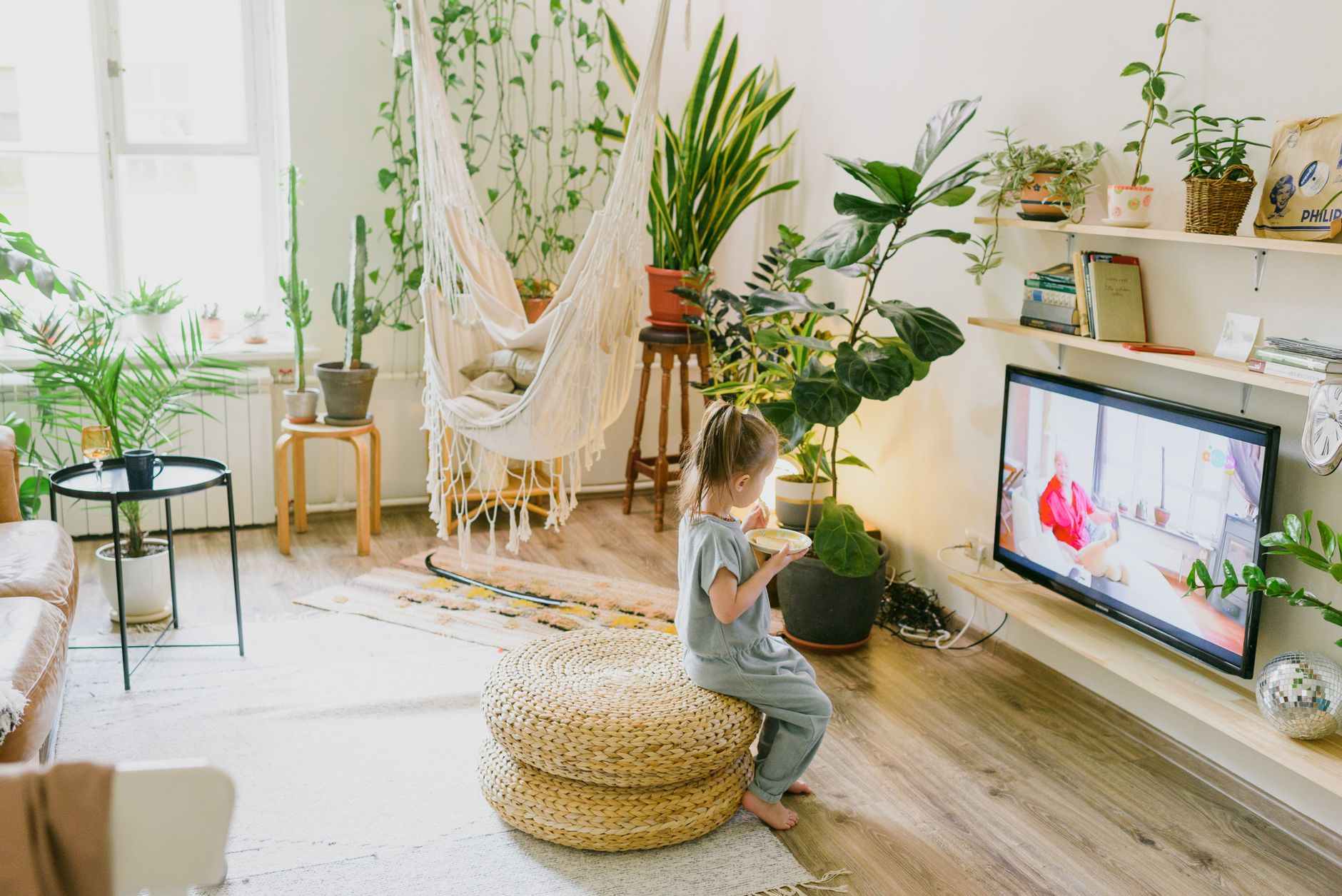
In homes, mold can find nourishment in organic materials such as wood, drywall, and even dust. When humidity levels climb, these materials can become damp, providing an ideal habitat for mold to thrive. This is why it's essential to monitor and control humidity levels within your home.
Signs of Mold Growth
Being vigilant about early signs of mold can save you from extensive damage and costly repairs. Here are some common indicators:
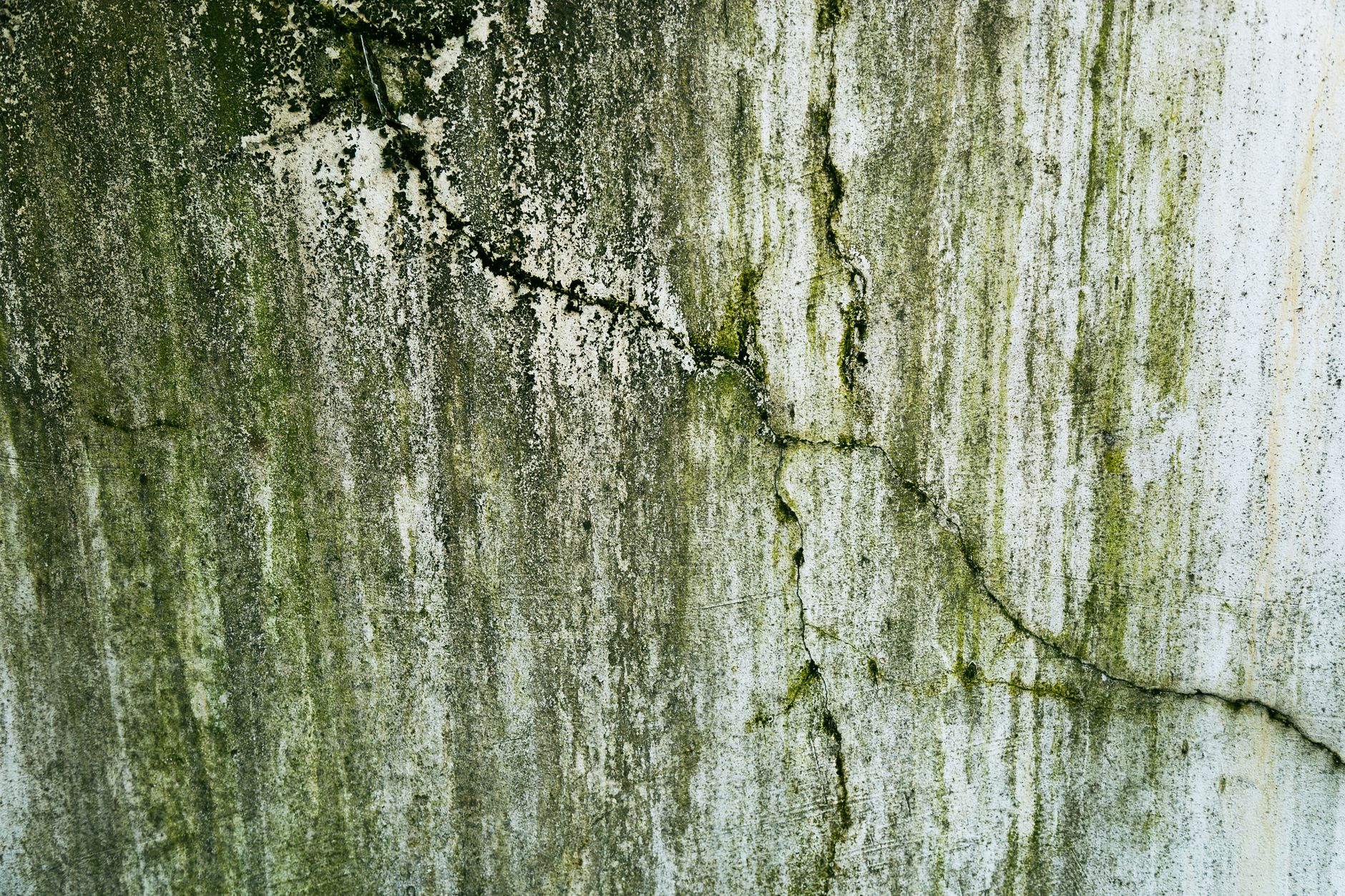
- Visible mold patches on walls, ceilings, or furniture.
- A musty odor that lingers in certain areas of your home.
- Unexplained allergic reactions, such as sneezing or itchy eyes, which can worsen indoors.
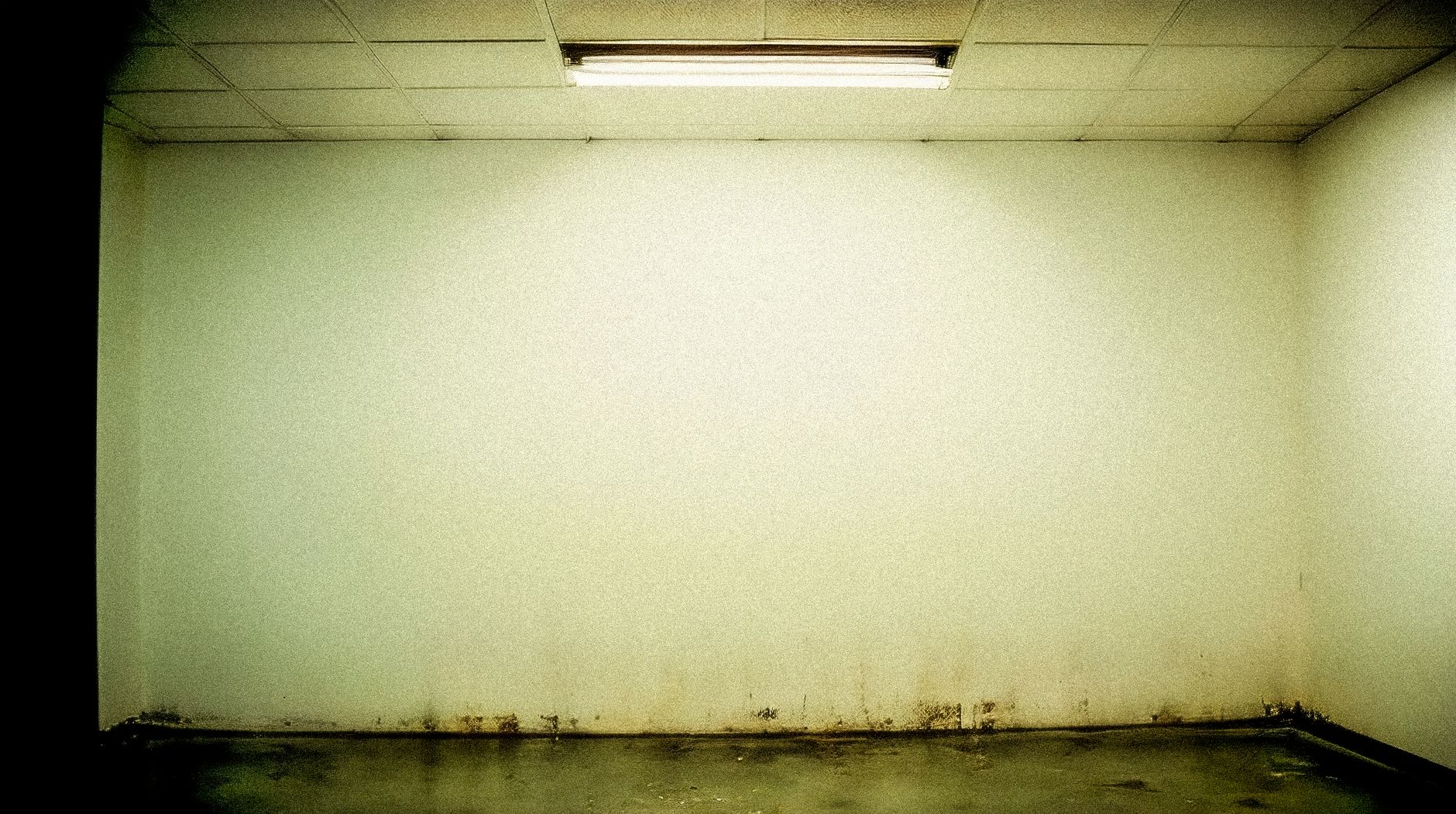
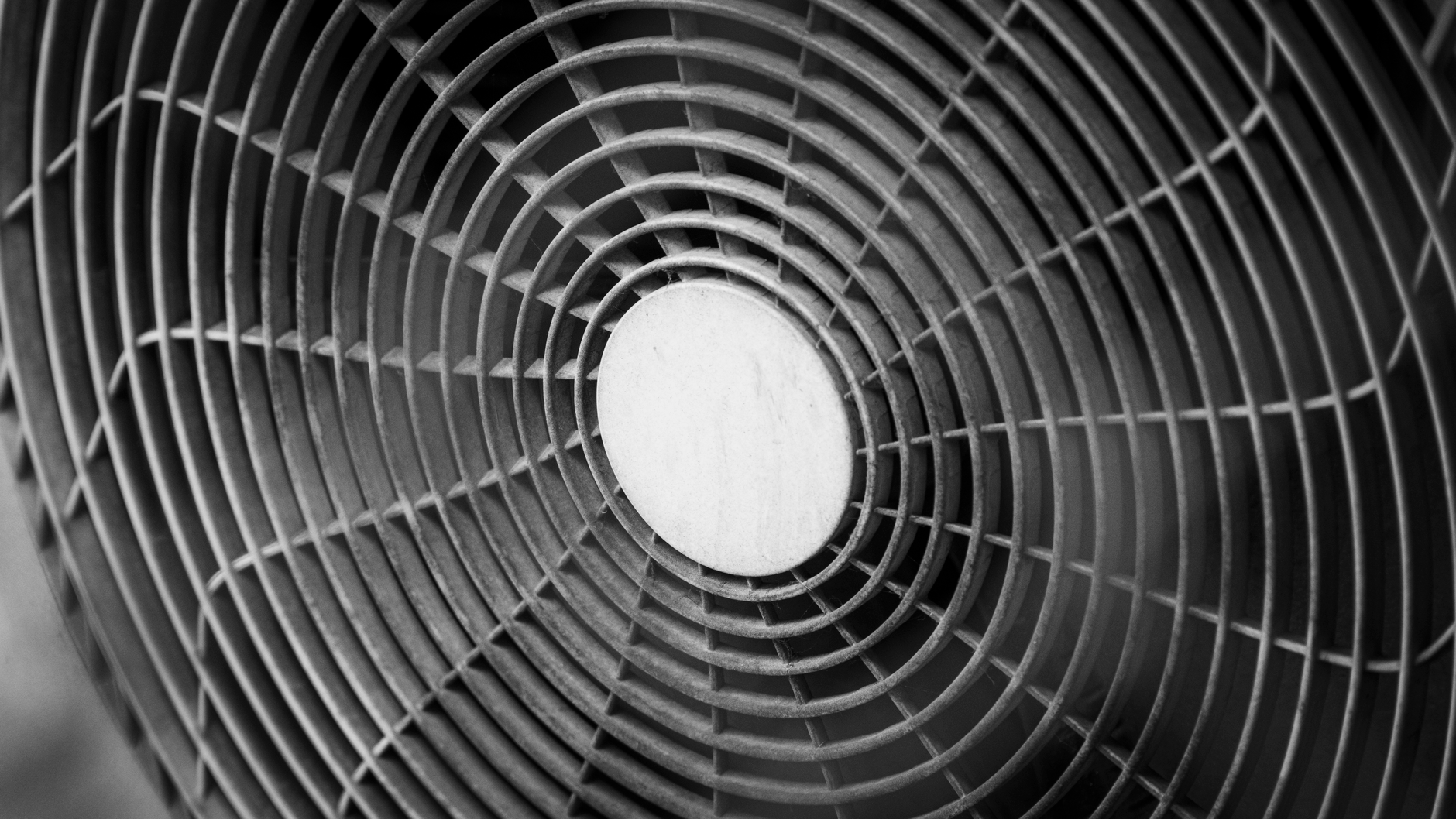
- Water stains or discoloration on surfaces, indicating long-term moisture retention.
If you notice any of these signs, it's important to act quickly. Mold can spread rapidly, leading to what could become a serious problem.
How to Control Humidity Levels
Managing humidity in your home is key to preventing mold growth. Here are some practical steps you can take to keep humidity levels in check:
- Use Dehumidifiers: Consider investing in dehumidifiers for areas of your home that are particularly humid, such as basements or bathrooms.
- Ventilation: Ensure proper ventilation in your home. Use exhaust fans in kitchens and bathrooms to expel moisture outside.
- Seal Leaks: Inspect your home for any leaks in pipes or roofs. Small leaks can contribute to increased humidity levels and mold growth.
By implementing these measures, you can significantly reduce the chances of mold developing in your home.
When to Call a Professional
If you suspect mold growth or if the humidity levels in your home are consistently high despite your efforts, it may be time to call in a professional. A restoration expert can assess the situation, provide necessary remediation, and guide you on the best practices for preventing future mold issues. In Miami Dade, contacting a trusted restoration company is essential for effective mold removal. You might want to consult with Broward Restoration Pros for specialized services in air duct mold removal.
Understanding Insurance Coverage
As a homeowner, it’s also important to understand your insurance coverage regarding mold damage. Many policies have specific clauses regarding mold remediation, often requiring proof that the mold was caused by a covered peril, such as a plumbing leak. Always check with your insurance provider to clarify what is and isn't covered, and keep records of any damage to support potential claims.
For more insights on how humidity affects mold growth in homes, be sure to check out this informative article from Broward Restoration Pros.
Conclusion
Humidity is a significant factor in mold growth, especially in Miami Dade’s tropical climate. By understanding how humidity affects your home and taking proactive measures to control moisture levels, you can protect your property and maintain a healthy living environment. Remember, if mold does appear, seeking professional help is vital to effectively handle the situation and prevent future occurrences.