Top 5 Essential Tips For Preventing Mold Growth After Storm Damage In Miami Dade
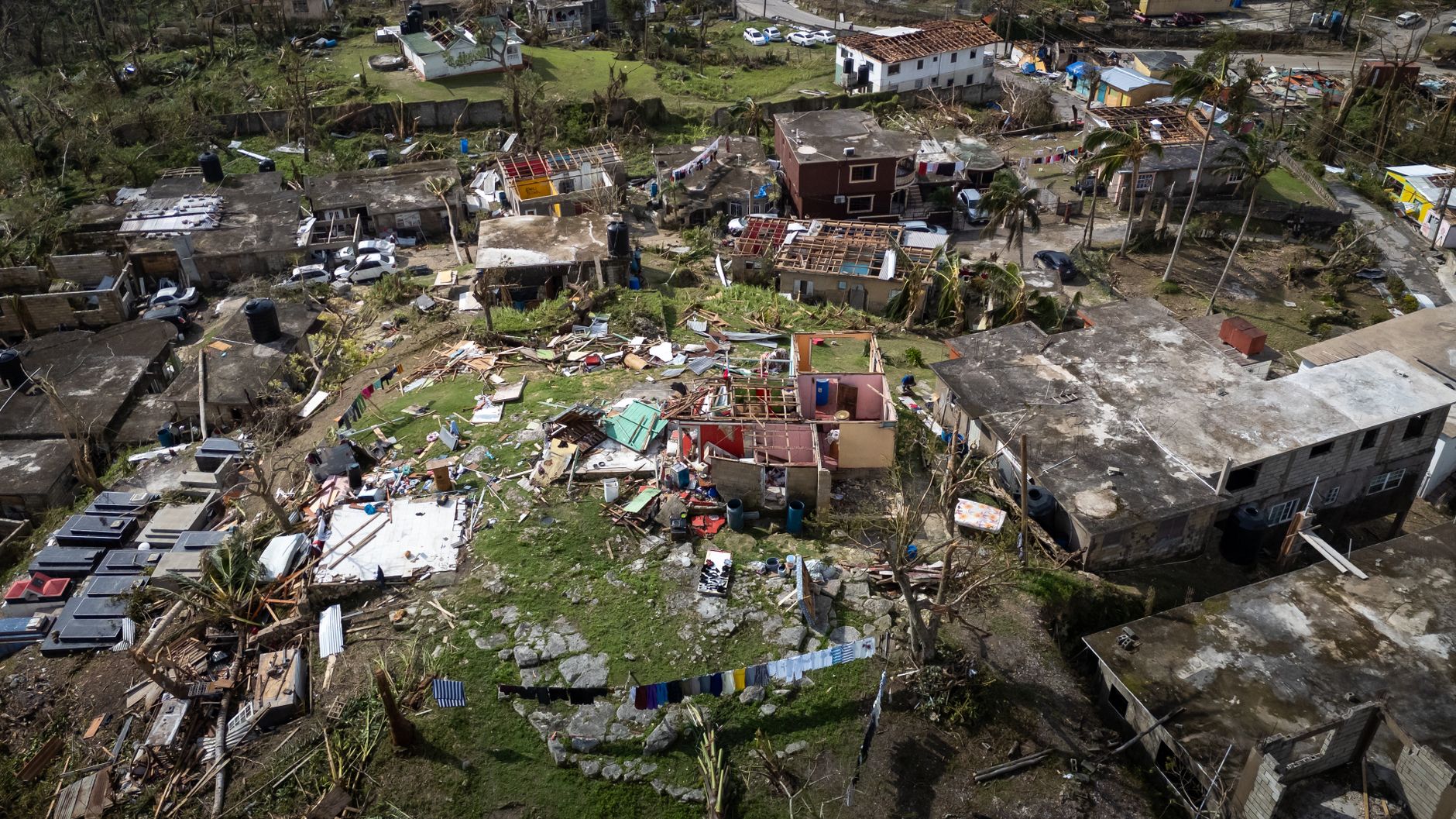
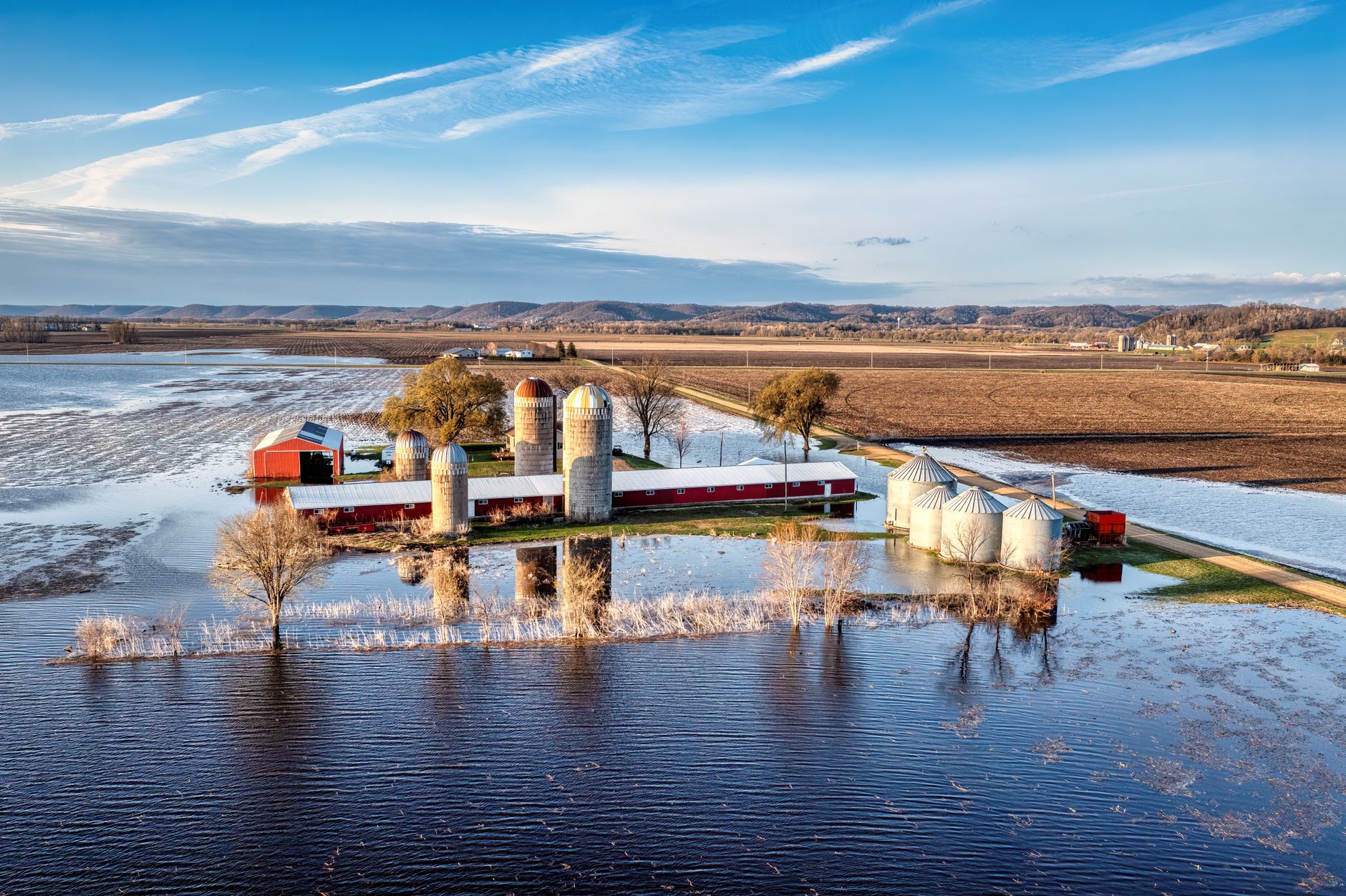
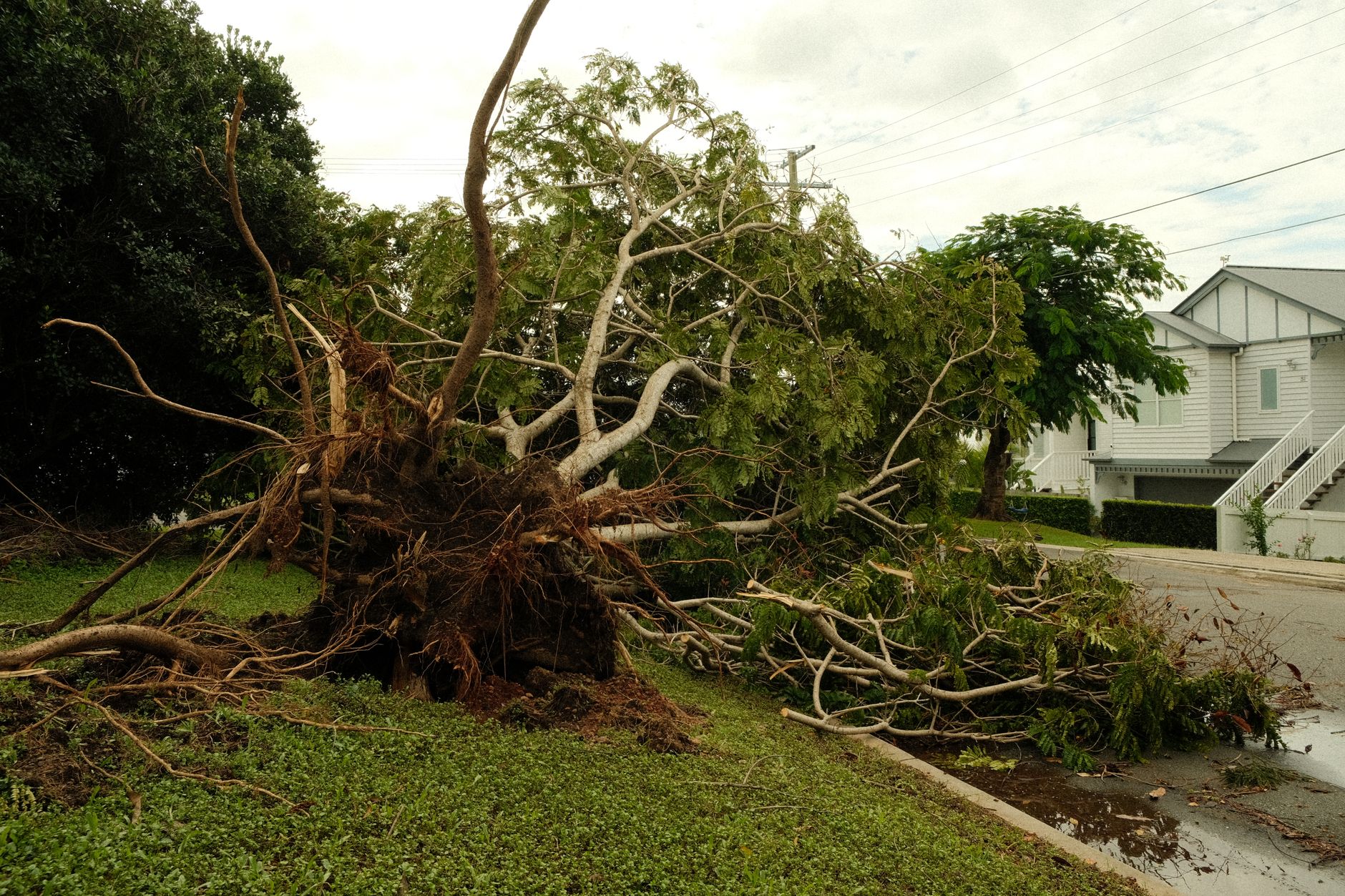
Storms can wreak havoc on your property, leaving behind not just visible damage but also a hidden threat: mold. After a storm, the combination of moisture and warmth creates an ideal environment for mold growth, which can pose serious health risks. Here in Miami Dade, where humidity levels are high, it's crucial to act quickly to prevent mold from taking hold. Let’s explore five essential tips to help you mitigate this risk and ensure your home remains safe and healthy.
1. Act Quickly to Dry Out Your Home
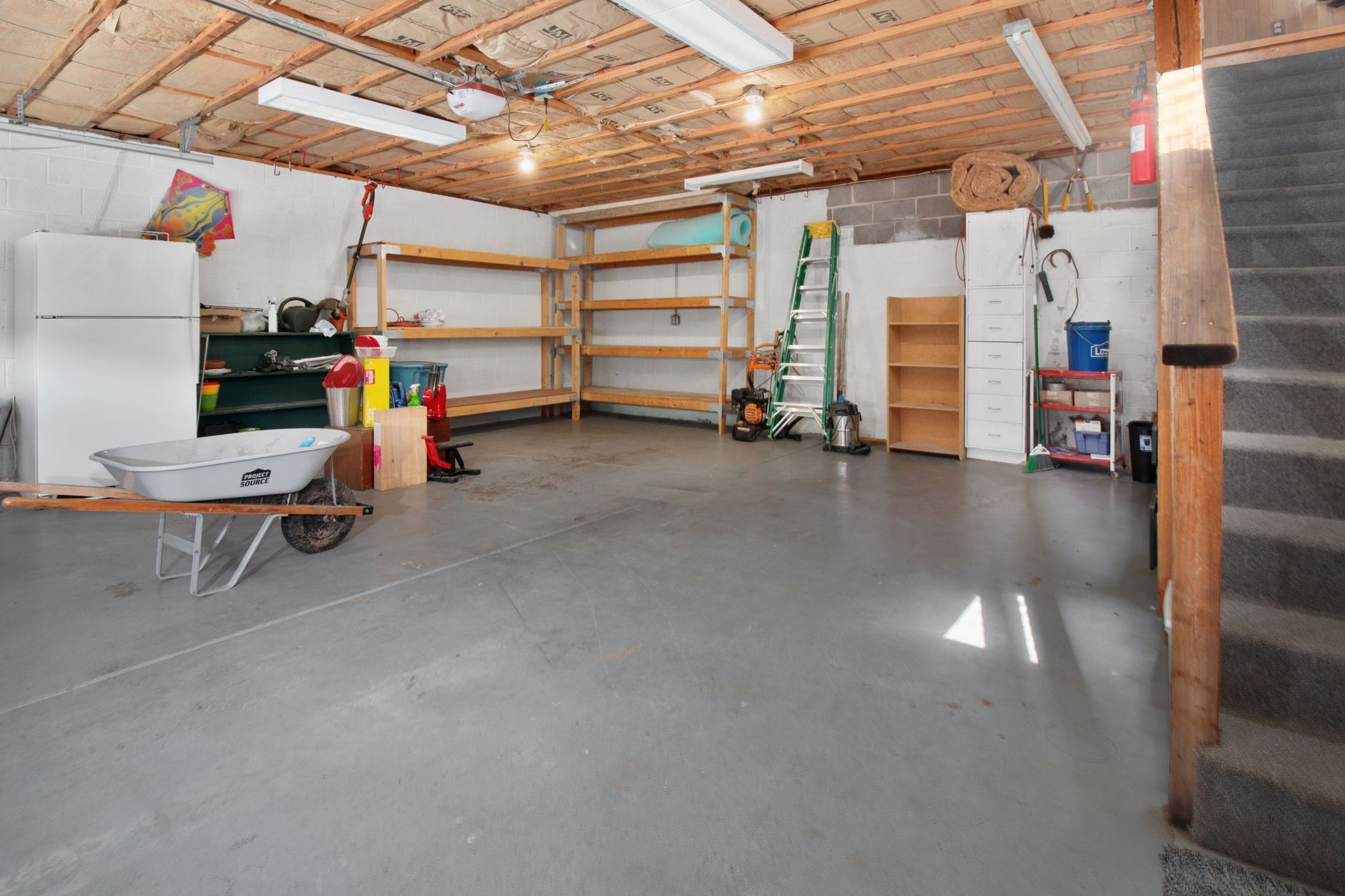
The first step in preventing mold growth is to dry out any areas affected by storm damage as quickly as possible. Ideally, this should be done within the first 24 to 48 hours. Use fans, dehumidifiers, and open windows to facilitate airflow. Pay close attention to areas that are typically more prone to moisture, such as basements, attics, and bathrooms.
2. Remove Wet Materials
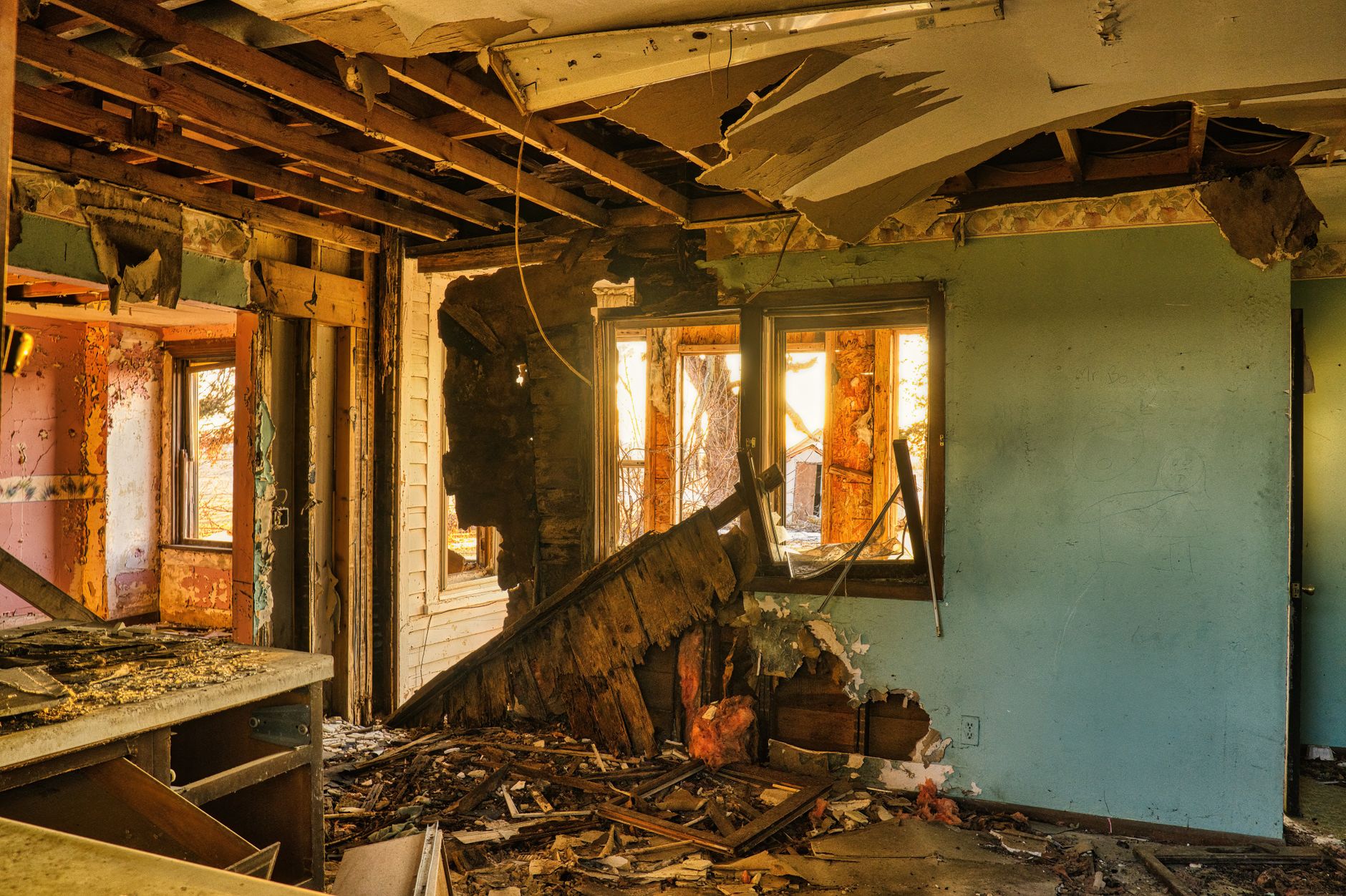
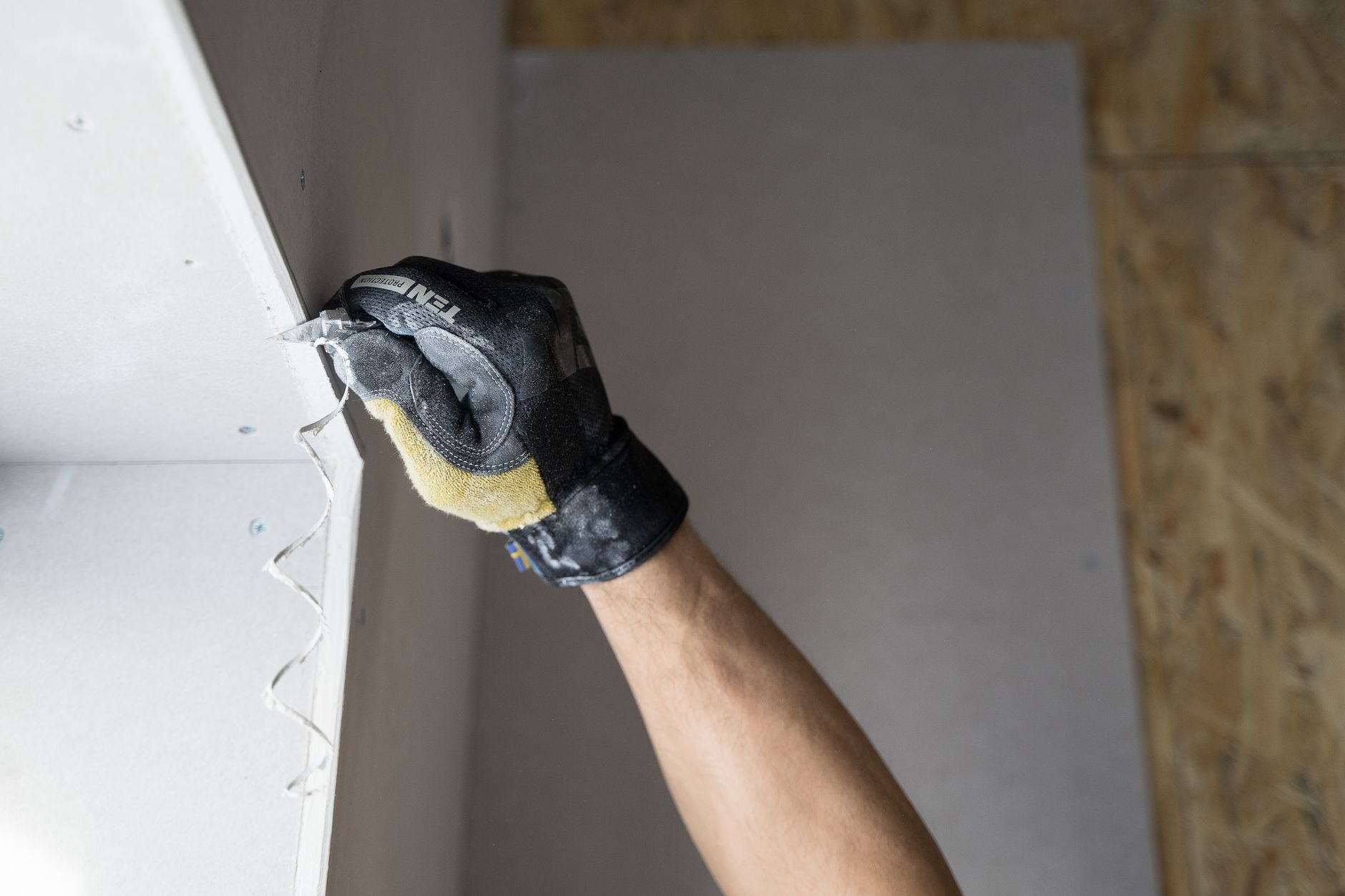
Any materials that have been saturated by water should be removed. This includes carpeting, drywall, and insulation that cannot be dried out completely. Mold can begin to grow on these materials within 24 hours of water exposure, so it’s better to be safe than sorry. If you’re unsure about what to remove, consulting with a professional restoration service can provide clarity and assistance.
3. Use Antimicrobial Treatments
Once your space is dry, applying antimicrobial treatments can help prevent mold from growing. These products can be sprayed on surfaces that were affected by water. For larger areas or more severe cases, it may be beneficial to hire a professional service that specializes in antimicrobial treatment. They have the expertise and resources to ensure that all potential mold spores are eliminated.
4. Monitor Humidity Levels
Keeping the humidity levels in your home below 60% is essential in preventing mold growth. You can use a hygrometer to measure the humidity levels. If you notice that your home is consistently above this level, consider using a dehumidifier in areas like basements or bathrooms. This ongoing monitoring can significantly decrease the risk of mold taking root.
5. Regular Inspections and Maintenance
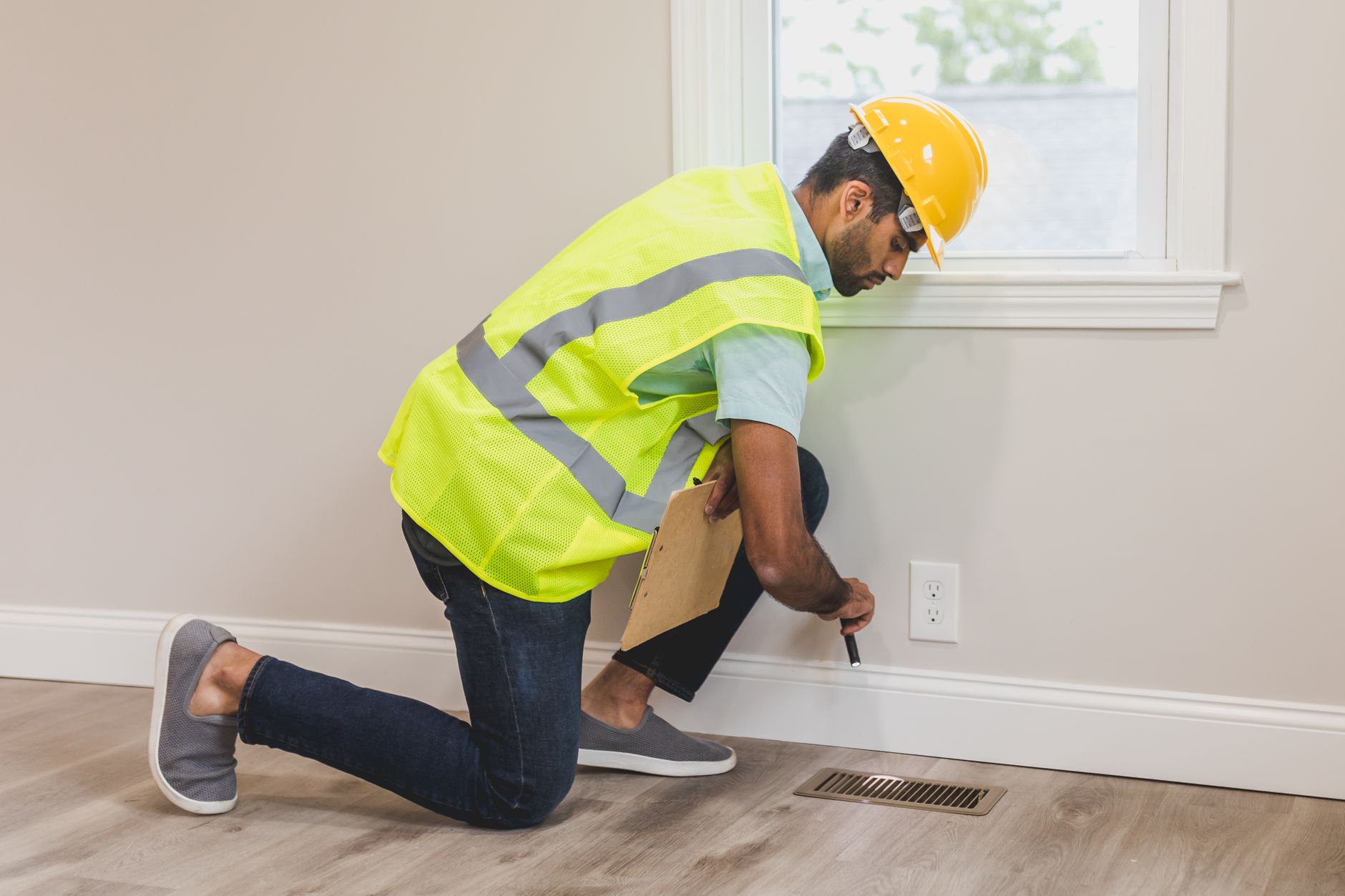
Finally, one of the best defenses against mold growth is regular inspections and maintenance of your property. Inspect your roof, gutters, and plumbing systems routinely to ensure they are in good condition and free from leaks. If you discover any issues, address them immediately. For more serious concerns, such as water damage from plumbing leaks, you can seek help from professionals. If you're dealing with a plumbing emergency, our 24-hour water damage restoration services can assist you in Miami Dade.
Protecting your home from mold after storm damage requires swift action and diligence. By following these tips, you can minimize the risk of mold growth and maintain a safe environment for you and your family. If you've experienced significant storm damage and need help, don't hesitate to reach out to experts who can guide you through the restoration process. For further reading, check out this article on essential steps for effective reconstruction after severe storm damage.
Remember, mold prevention is not just about cleaning after a storm; it's about creating a proactive plan to ensure your home remains safe and healthy for years to come.