The Essential Guide To Post-Storm Mold Inspection For Miami Dade Homes
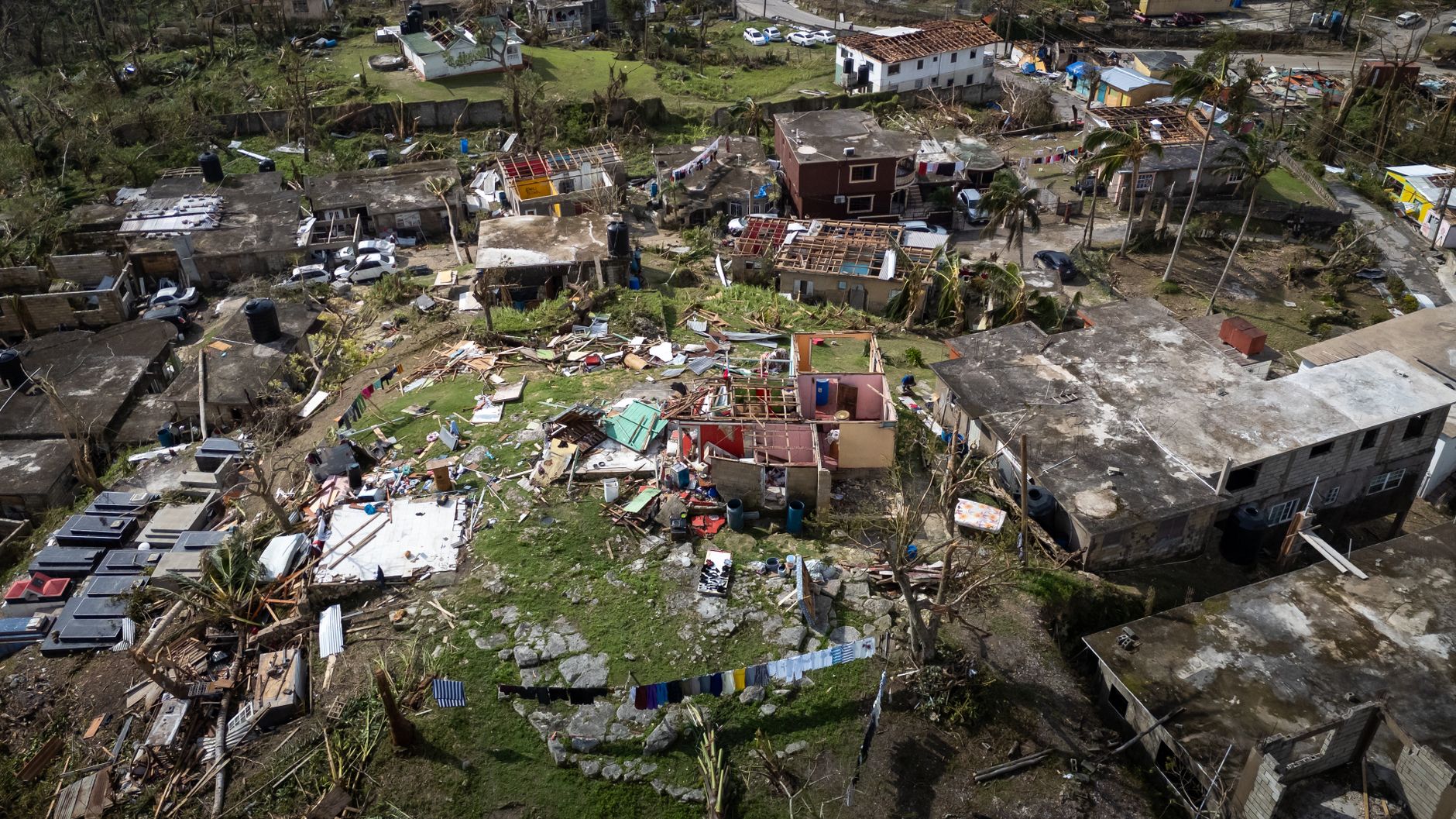
After a storm, the aftermath can leave homeowners feeling overwhelmed and vulnerable. Water damage can seep into walls, ceilings, and floors, creating an ideal environment for mold growth. In Miami Dade, where humidity levels are high, the threat of mold is even more pronounced. Understanding the importance of a thorough post-storm mold inspection is crucial for protecting your home and your health.
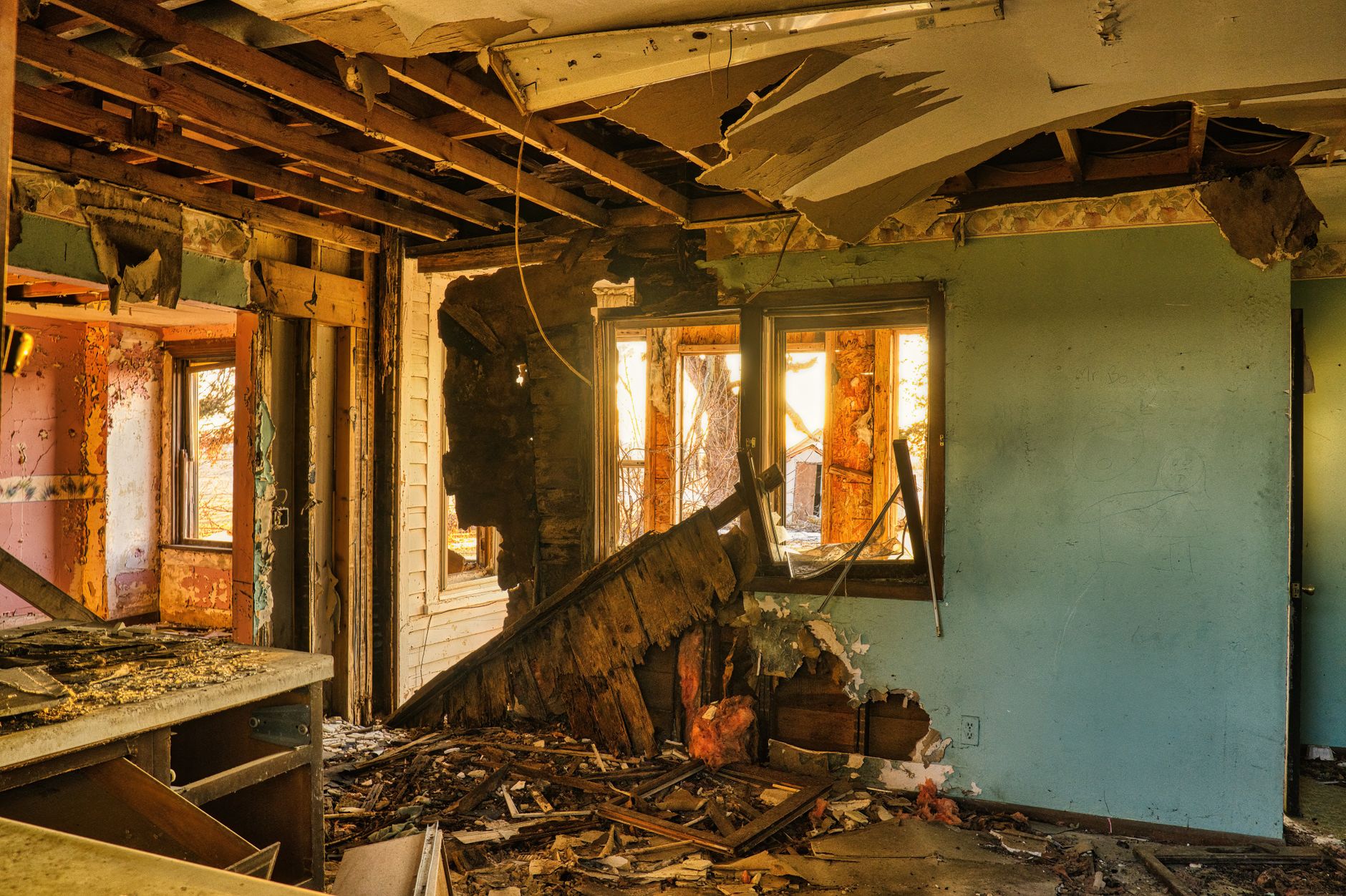
Once the storm has passed, and the immediate danger has subsided, it's vital to assess your property for any signs of water intrusion. Mold can begin to grow within 24 to 48 hours after moisture exposure, so acting quickly is essential. If you notice any damp spots, musty odors, or visible mold, it’s time to take action.
Why Mold Inspection Is Important
Mold can pose serious health risks, especially for those with respiratory issues, allergies, or weakened immune systems. Beyond health concerns, mold can also lead to significant structural damage in your home, affecting walls, ceilings, and even your foundation. Regular mold inspections, especially after severe weather, can catch problems before they escalate.
Signs of Mold Growth
Some common signs that indicate the presence of mold include:
- Visible mold patches, often appearing black, green, or white.
- Strong musty odors that linger in the air.
- Water stains on walls or ceilings.
- Increased allergy symptoms among household members.
If you identify any of these indicators, it’s crucial to conduct a mold inspection as soon as possible.
What to Expect During a Mold Inspection
A professional mold inspection typically involves several key steps:
- Visual Inspection: A certified inspector will thoroughly examine your property, looking for signs of moisture and mold.
- Moisture Assessment: Using specialized tools, inspectors will measure humidity levels and locate areas of excess moisture.
- Sampling: If mold is suspected, samples may be taken from the air or surfaces to determine the type of mold present.
- Reporting: After the inspection, you will receive a detailed report outlining any findings and recommendations for remediation.
This thorough approach will help ensure that no hidden mold is left unchecked, safeguarding your home and health.
When to Call a Professional
While some homeowners may consider DIY mold inspections, it’s often best to call a professional. Experts have the training and equipment necessary to detect hidden moisture and mold that might go unnoticed by the untrained eye. Additionally, they can provide effective remediation solutions to ensure your home is safe.
In the aftermath of a storm, don’t hesitate to reach out for help. You can contact our team at Restore Miami Fast for a comprehensive mold inspection and remediation plan tailored to your needs.
Insurance Considerations
Many homeowners’ insurance policies cover mold remediation, especially if it results from a covered peril like a storm. However, it’s essential to review your policy and understand any limitations or exclusions. If you suspect mold growth, documenting the damage and contacting your insurance provider promptly can help facilitate the claims process.
For more information on how to navigate insurance claims for mold damage, you might find this guide helpful: Insurance & Claims Help.
Prevention Tips
Once your mold issue has been addressed, consider implementing some prevention strategies to reduce the risk of mold reoccurring:
- Ensure proper ventilation in high-moisture areas such as bathrooms and kitchens.
- Use dehumidifiers to control indoor humidity levels.
- Regularly check for leaks in pipes and roof structures.
- Seal any cracks or openings in your home’s exterior to prevent water intrusion.
By taking these steps, you can help maintain a healthy home environment and reduce the likelihood of mold growth in the future.
For residents in Palm Beach County seeking guidance on air duct mold removal, consider exploring this service from Palm Beach Mold And Water to ensure your indoor air quality remains safe and clean.
Conclusion
A post-storm mold inspection is not just a precaution; it’s a necessary step to protect your home and health. If you suspect mold growth after a storm, don’t wait. Contact a professional for a thorough inspection and remediation. Remember, the sooner you act, the better you can safeguard your home against the damaging effects of mold.
For further reading on mold cleanup, check out The Essential Guide To Emergency Mold Cleanup In Palm Beach Homes for valuable insights and tips.