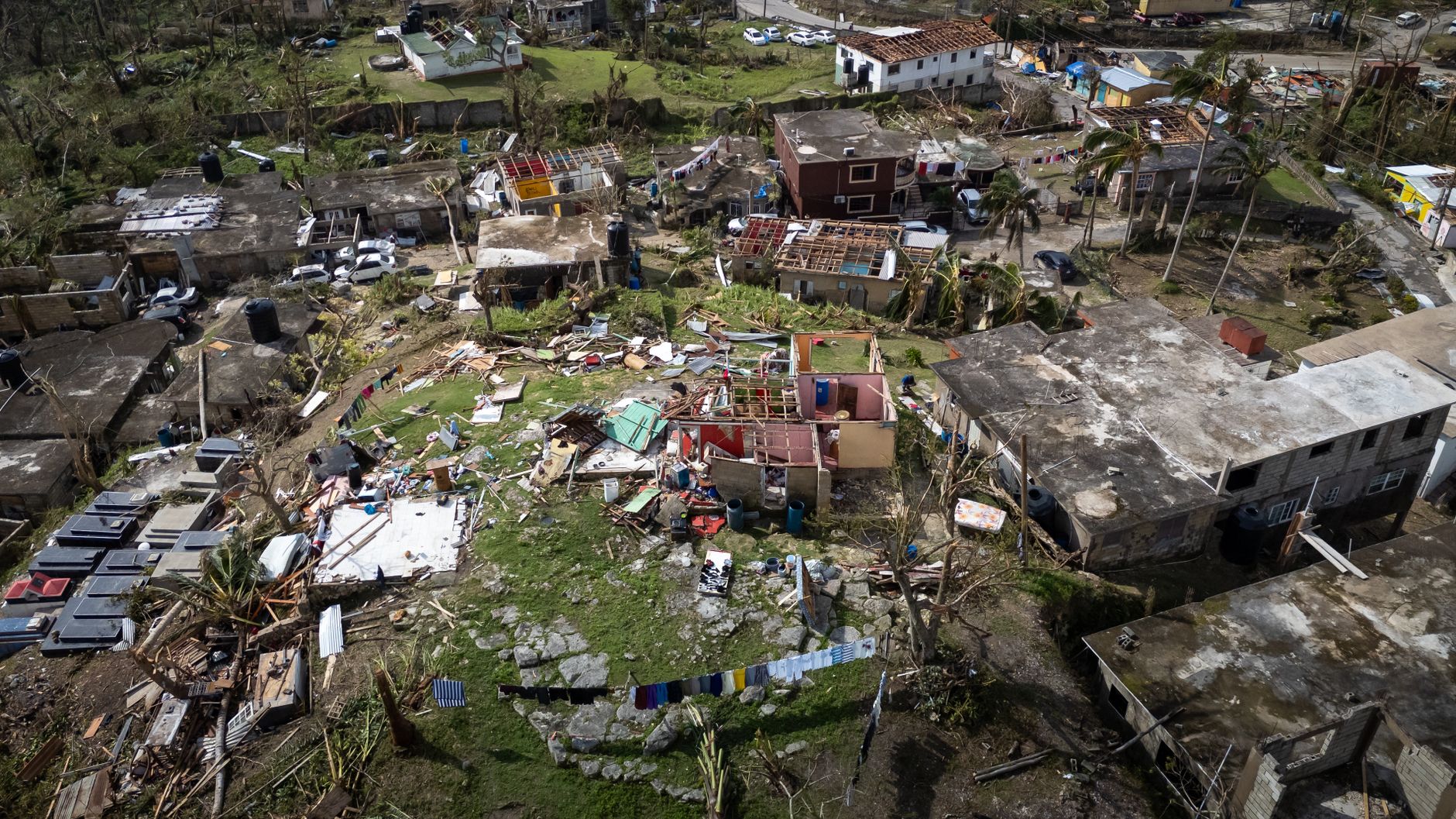
Navigating The Aftermath: A Homeowner's Guide To Post-Disaster Reconstruction In Miami Dade
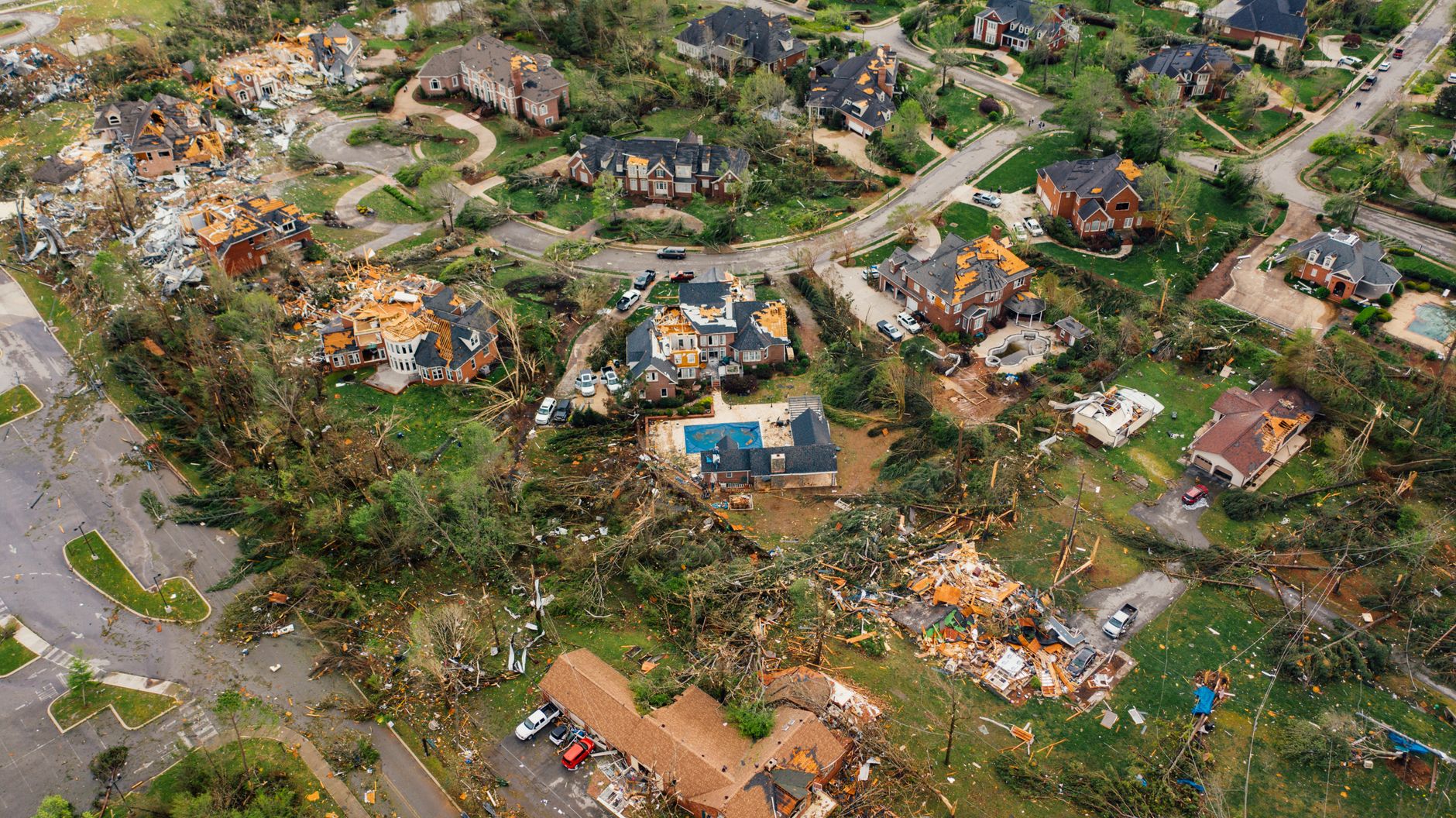
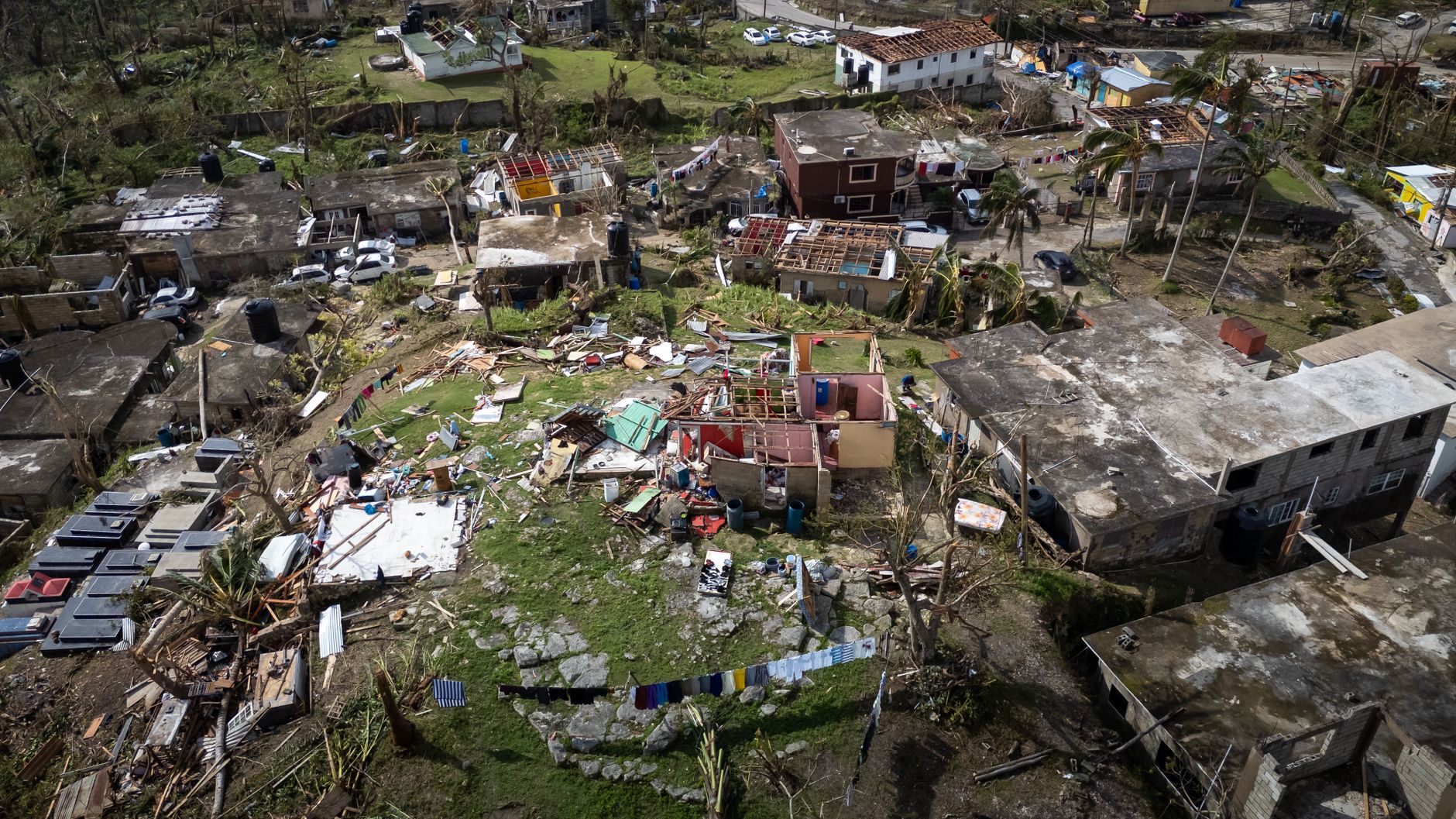
Experiencing a disaster at home can be one of the most stressful situations a homeowner faces. Whether it's the aftermath of a hurricane, flooding, or a fire, the journey to recovery can feel overwhelming. In Miami Dade, where weather and other risks can be unpredictable, it’s essential to have a clear plan for post-disaster reconstruction. This guide aims to help homeowners navigate through the critical steps of recovery, ensuring you feel supported and informed during this challenging time.
Understanding the Damage
The first step in the reconstruction process is to assess the damage. Take a thorough look at your property, documenting all affected areas and items. This is crucial not only for your understanding but also for insurance claims. Consider the following:
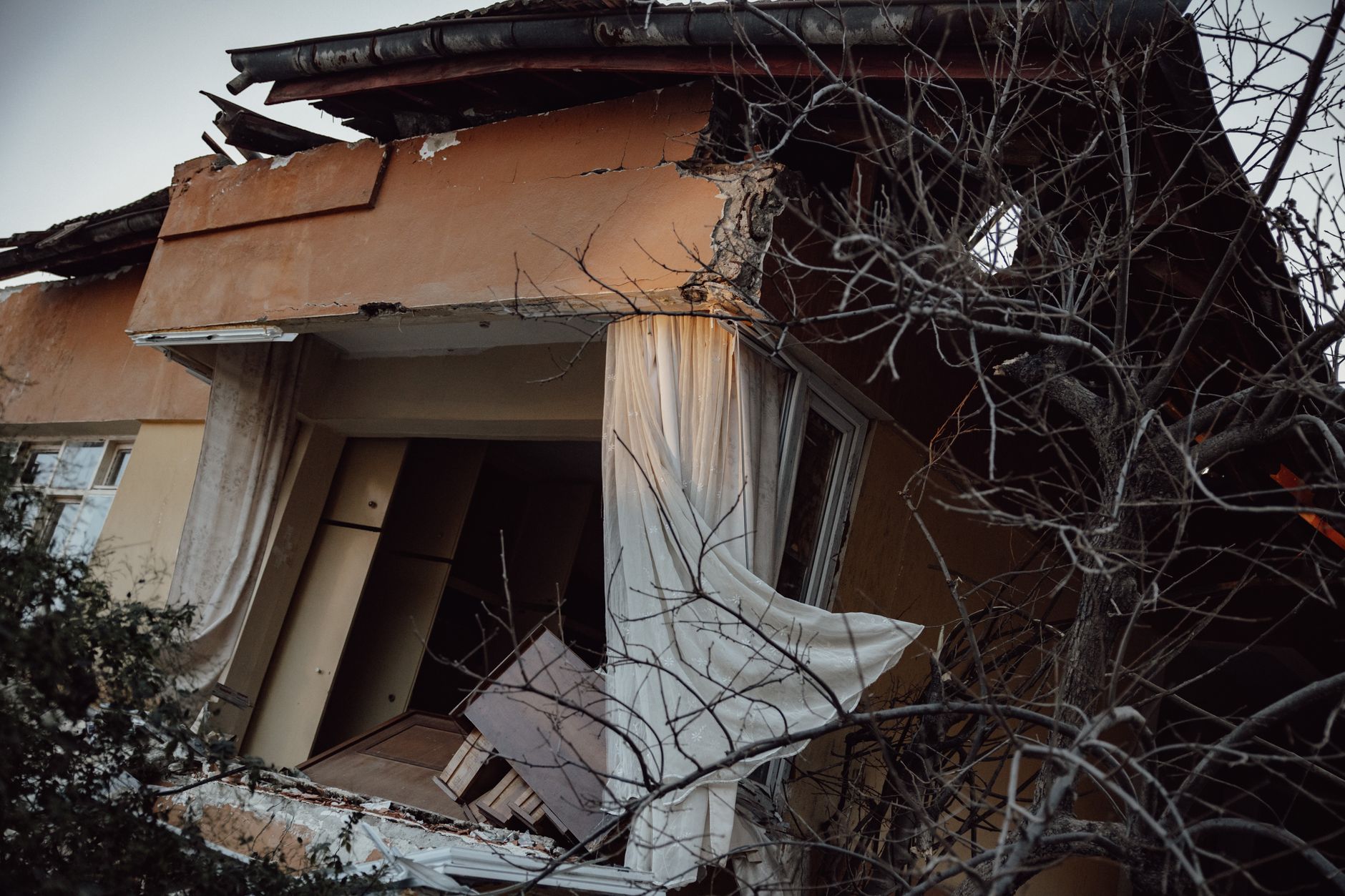
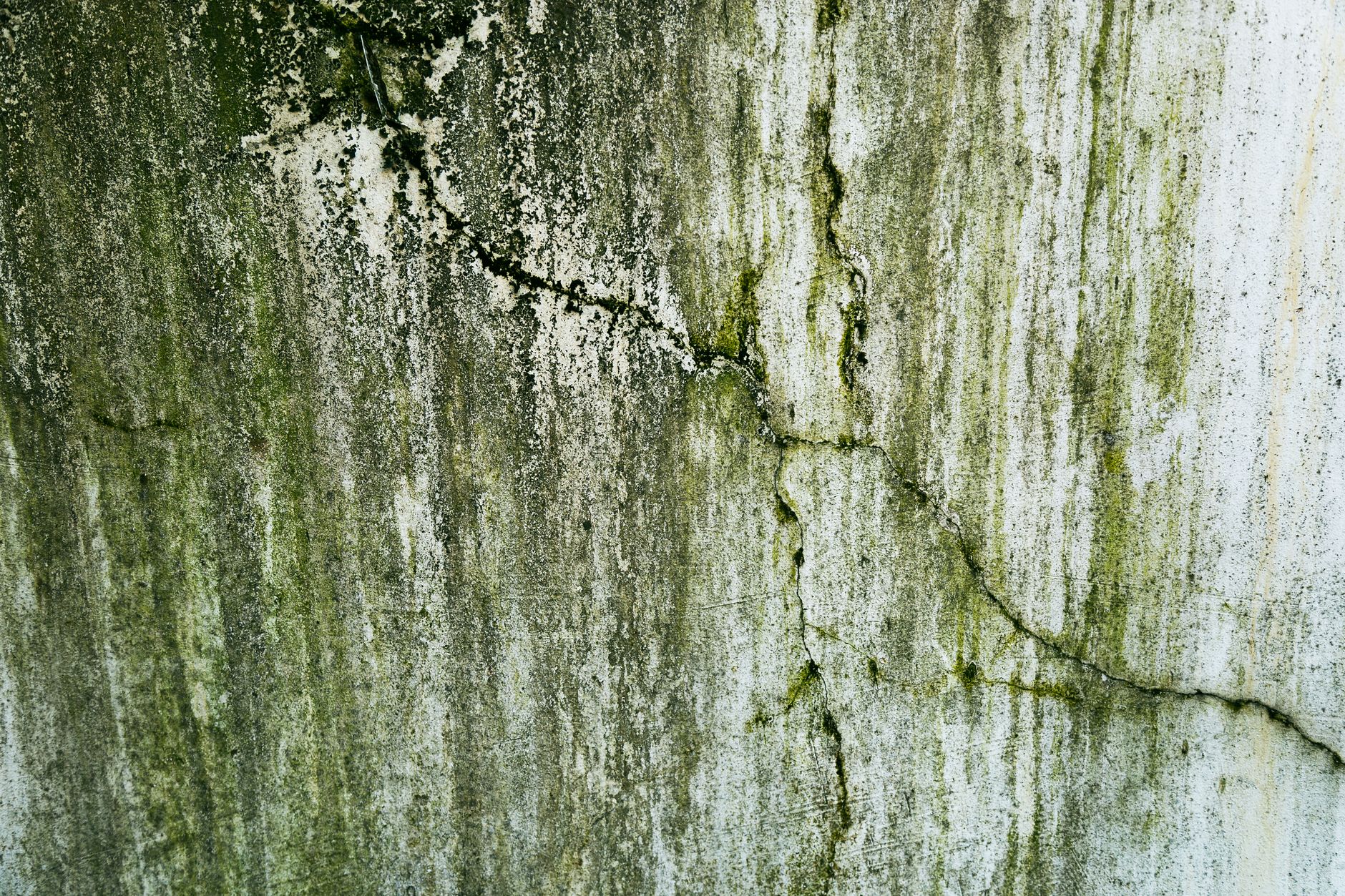
- Check for visible structural damage, such as cracks in walls or ceilings.
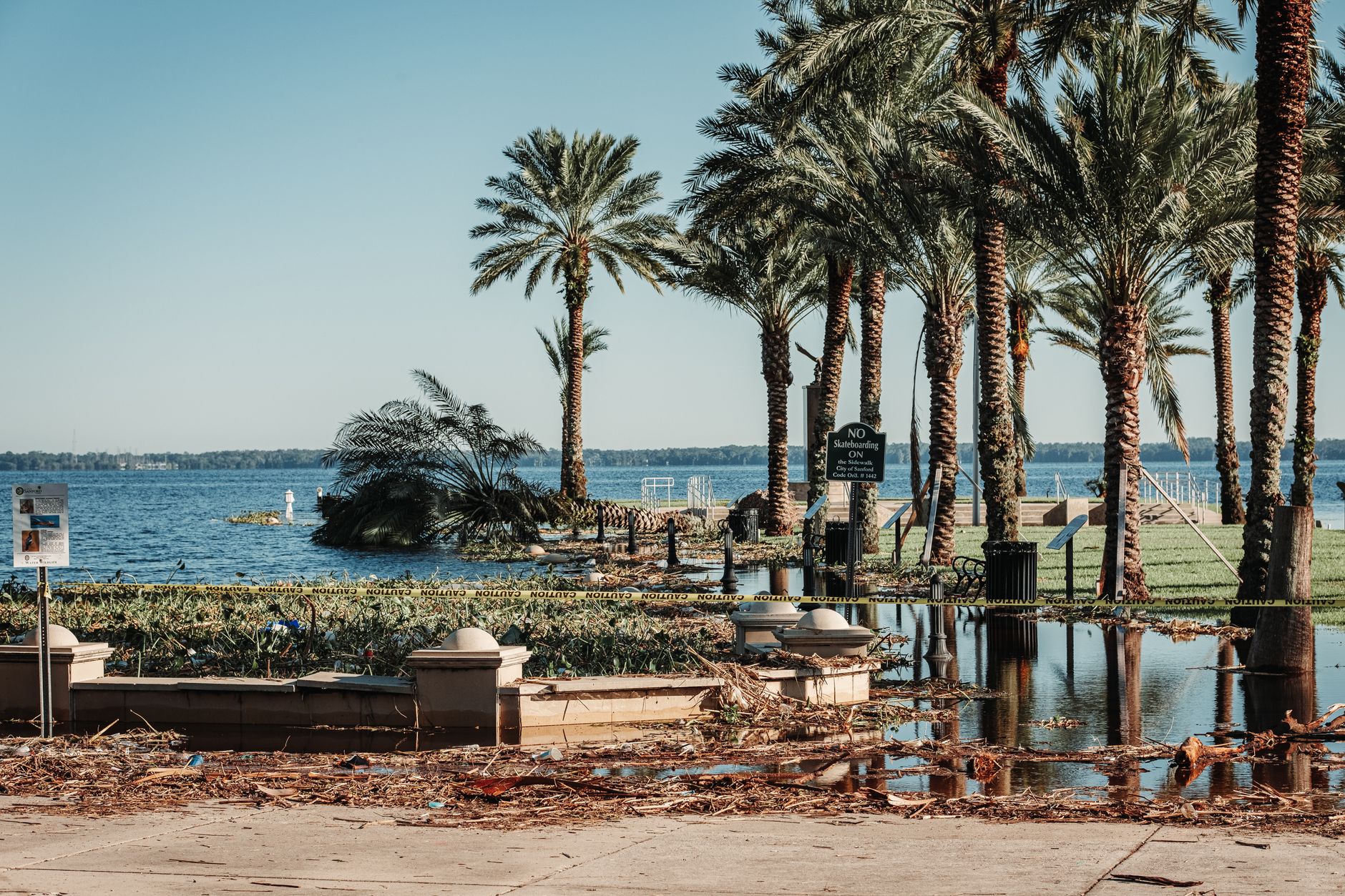
- Inspect for water damage, including damp spots, mold growth, and warped flooring.
- Note any loss of personal belongings, appliances, or furniture.
Don’t forget to take photographs; these can be invaluable when filing an insurance claim. It can be tempting to start cleaning and throwing things away, but it's essential to document everything first.
Engaging with Professionals
Once the damage assessment is complete, it’s time to consider whether to engage professionals for the reconstruction process. Depending on the extent of the damage, you might need the services of various professionals:
- Restoration Services: Look for companies that specialize in water damage restoration, fire damage recovery, or mold remediation. Their expertise can significantly affect the outcome of your recovery.
- Contractors: If structural repairs are needed, hiring a licensed contractor is crucial. They can ensure that all work complies with local building codes.
- Insurance Adjusters: Your insurance company may send an adjuster to evaluate the damage. Be prepared to discuss your findings and provide any documentation.
While it might be tempting to handle everything yourself to save costs, remember that professional assessments can often uncover hidden issues that could lead to bigger problems down the line.
Dealing with Insurance
Your insurance policy should cover many aspects of the damage, but navigating claims can be complex. Here are a few tips to streamline the process:
- Review your policy to understand the coverage limits and deductibles.
- Document all communications with your insurance company.
- Keep detailed records of any expenses incurred during the recovery process.
If you encounter challenges with your claim, consider seeking help from a public adjuster or an attorney experienced in insurance claims. Remember, your goal is to ensure that you are fully compensated for your losses.
Reconstruction Planning
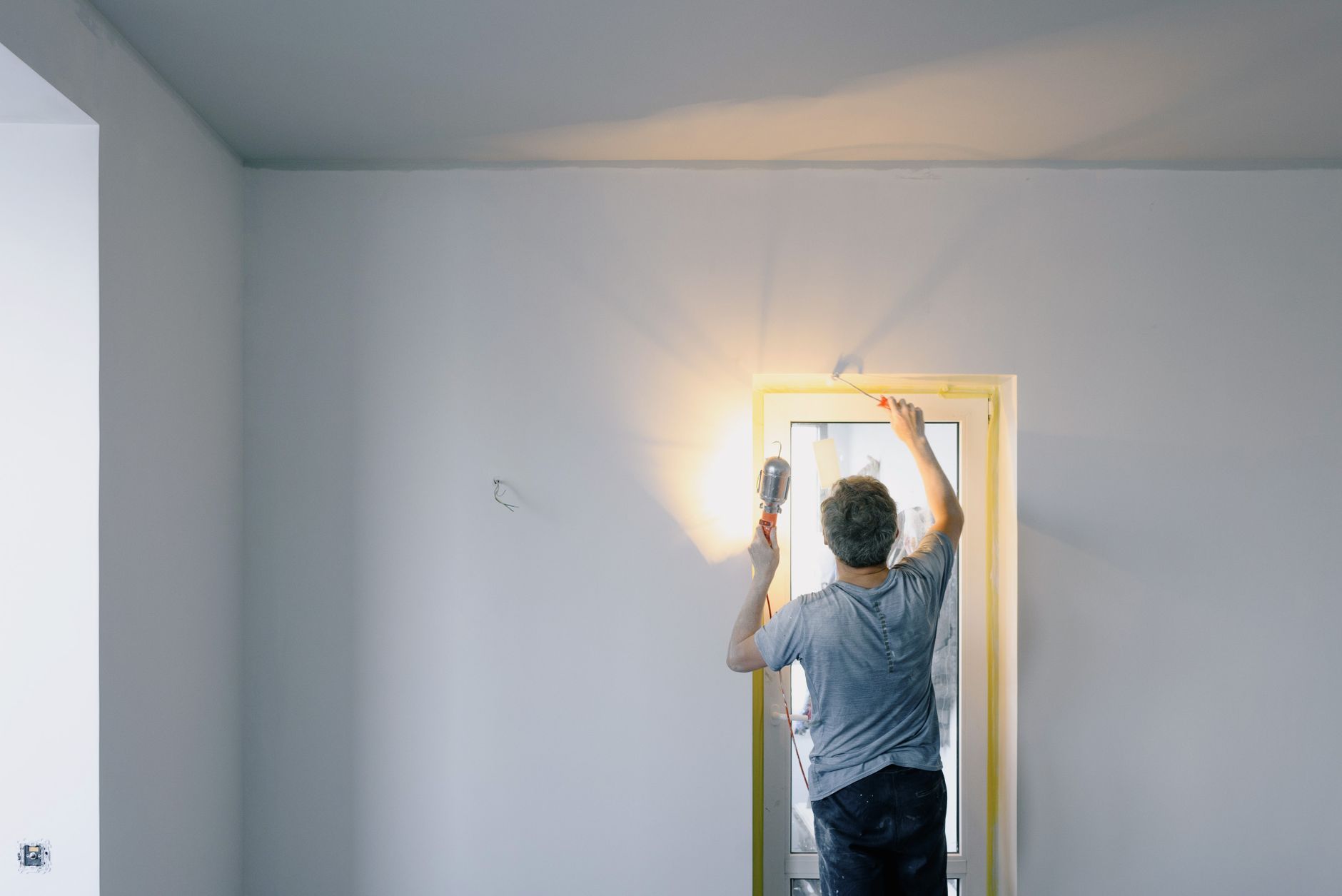
As you progress toward reconstruction, it's vital to develop a comprehensive plan. Prioritize what needs immediate attention versus what can wait. For instance, if your home is structurally unsound, addressing this must be your first step. Conversely, cosmetic repairs can be scheduled later.
When selecting materials and finishes, consider using mold-resistant and durable options, especially in areas prone to moisture. This could be a worthwhile investment for long-term resilience against future disasters.
Prevention for the Future
Once your home is restored, take proactive steps to mitigate future risks. Here are a few suggestions:
- Install sump pumps and drainage systems to prevent water accumulation.
- Consider hurricane shutters or impact-resistant windows to shield against severe weather.
- Regularly inspect your roof and plumbing to catch issues before they escalate.
Being proactive can save you time, money, and stress down the line.
Finding Support
Lastly, don’t hesitate to seek support from your community. Local resources, including organizations focused on disaster recovery, can provide valuable information and assistance. For example, Palm Beach Mold And Water offers extensive restoration services that can help homeowners in distress.
After a disaster, your mental and emotional well-being is just as important as the physical repairs. Connect with neighbors, friends, or local support groups to share experiences and coping strategies.
Reconstruction after a disaster is undoubtedly a challenging journey. However, with a clear plan, the right professionals, and a supportive community, you can restore your home and peace of mind. For more detailed insights on post-disaster processes, check out this article on post-storm reconstruction.