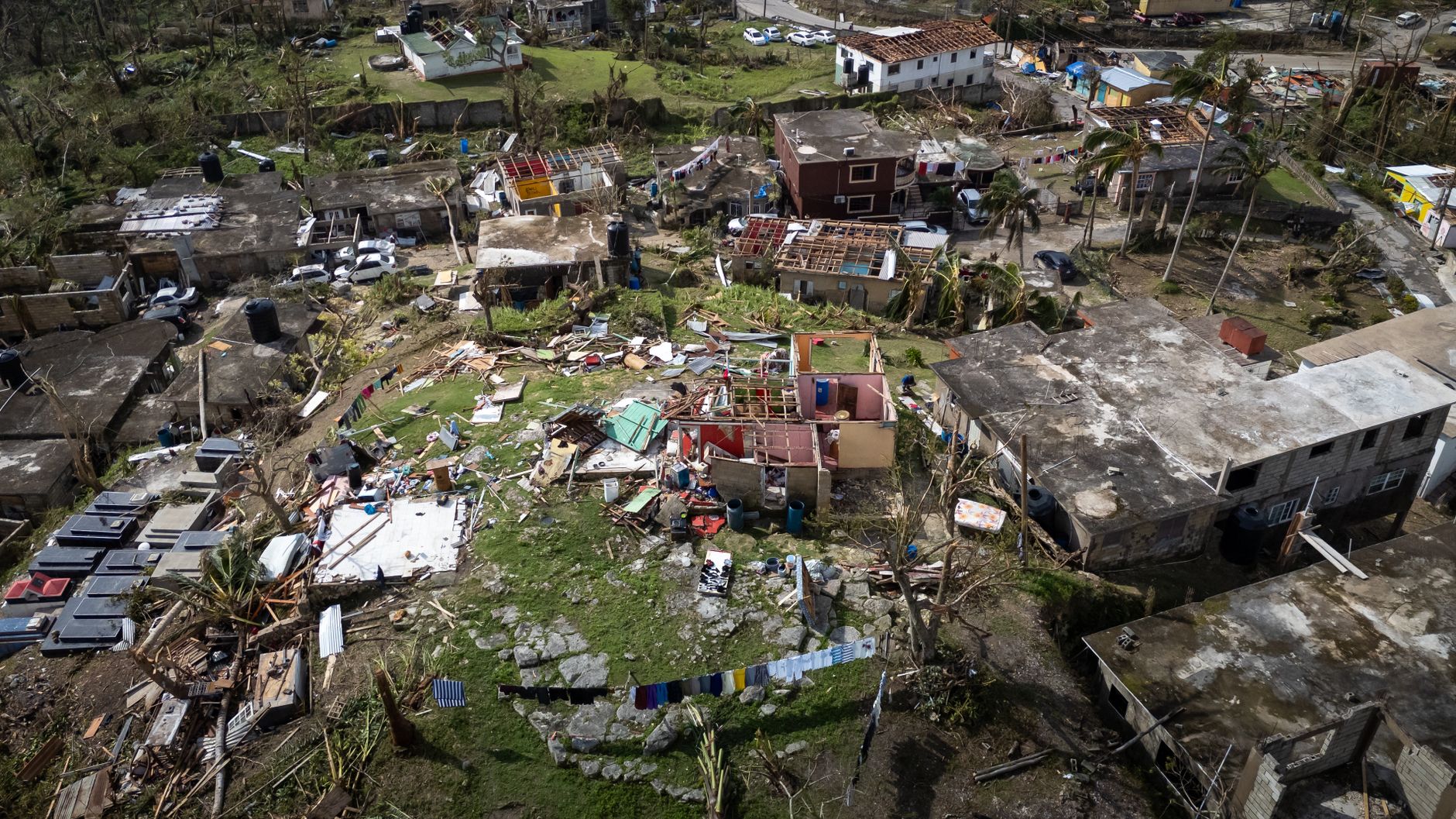
How To Effectively Manage Water Damage Claims After A Hurricane In Miami Dade
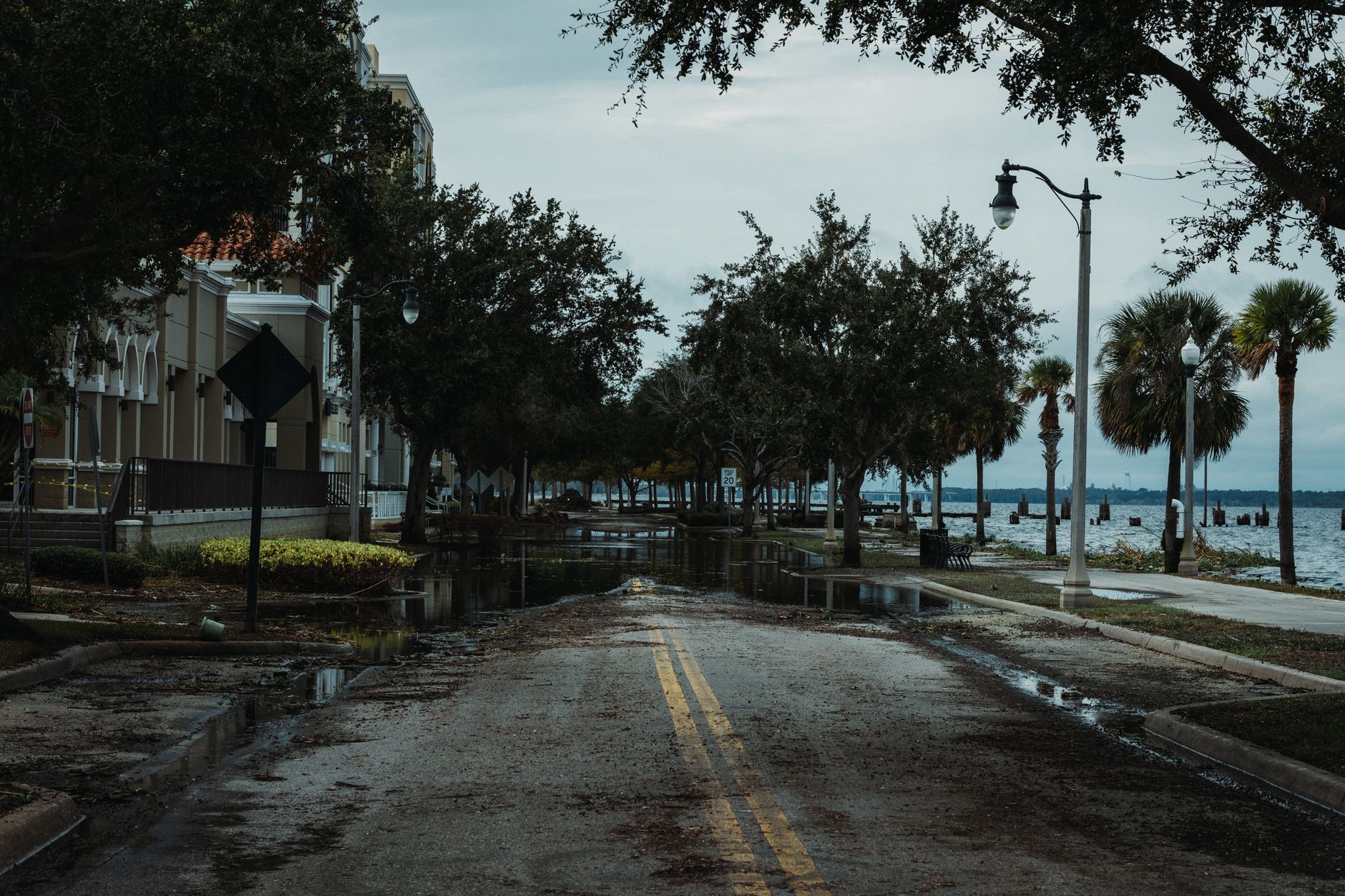
Hurricanes can be devastating, leaving behind a path of destruction that affects homes, lives, and communities. If you’ve experienced water damage due to the recent hurricane in Miami Dade, you’re not alone. The aftermath can be overwhelming, but understanding how to manage your water damage claims can significantly ease the burden. In this guide, we’ll walk you through the essential steps to navigate this challenging process.
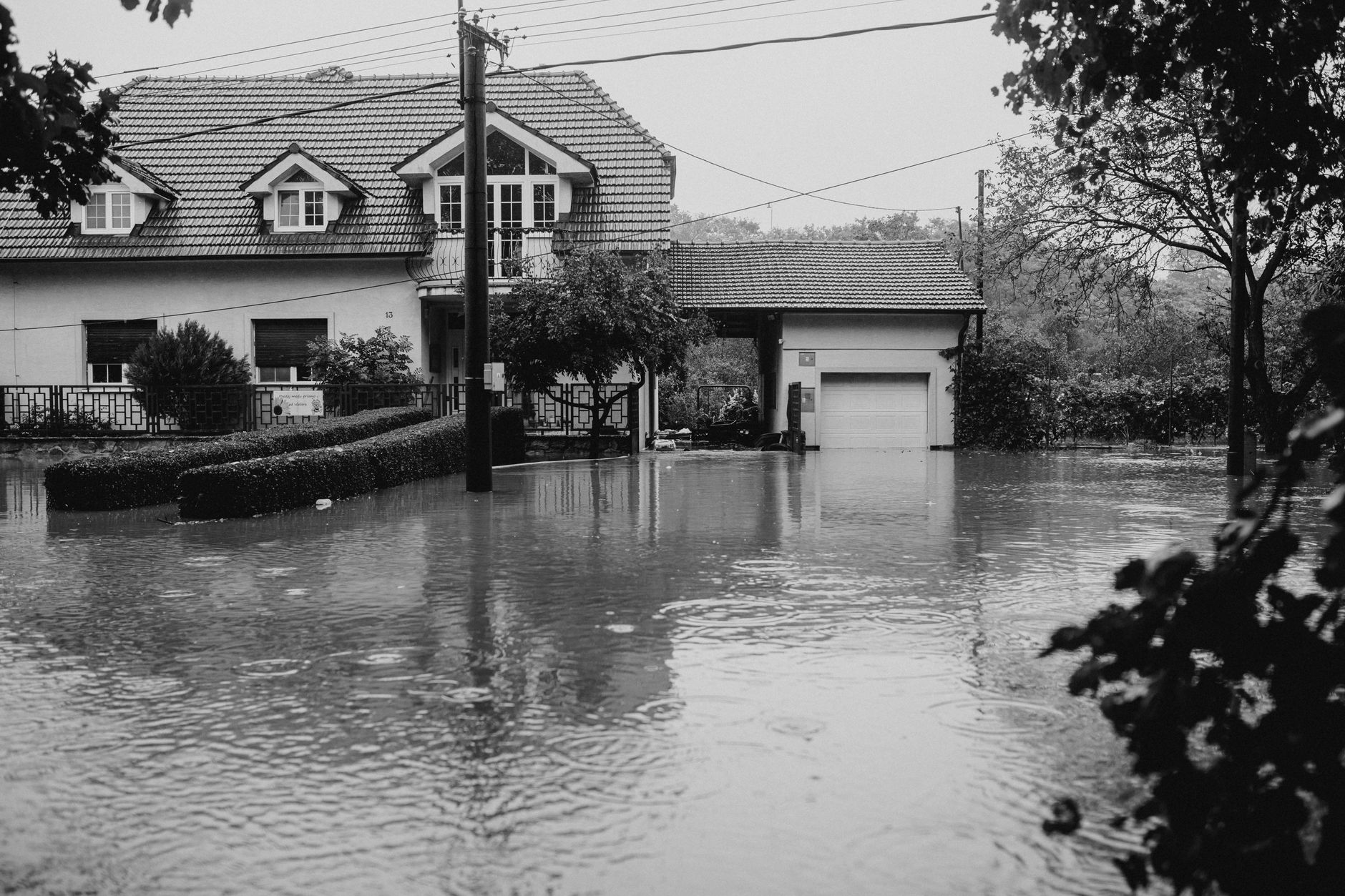
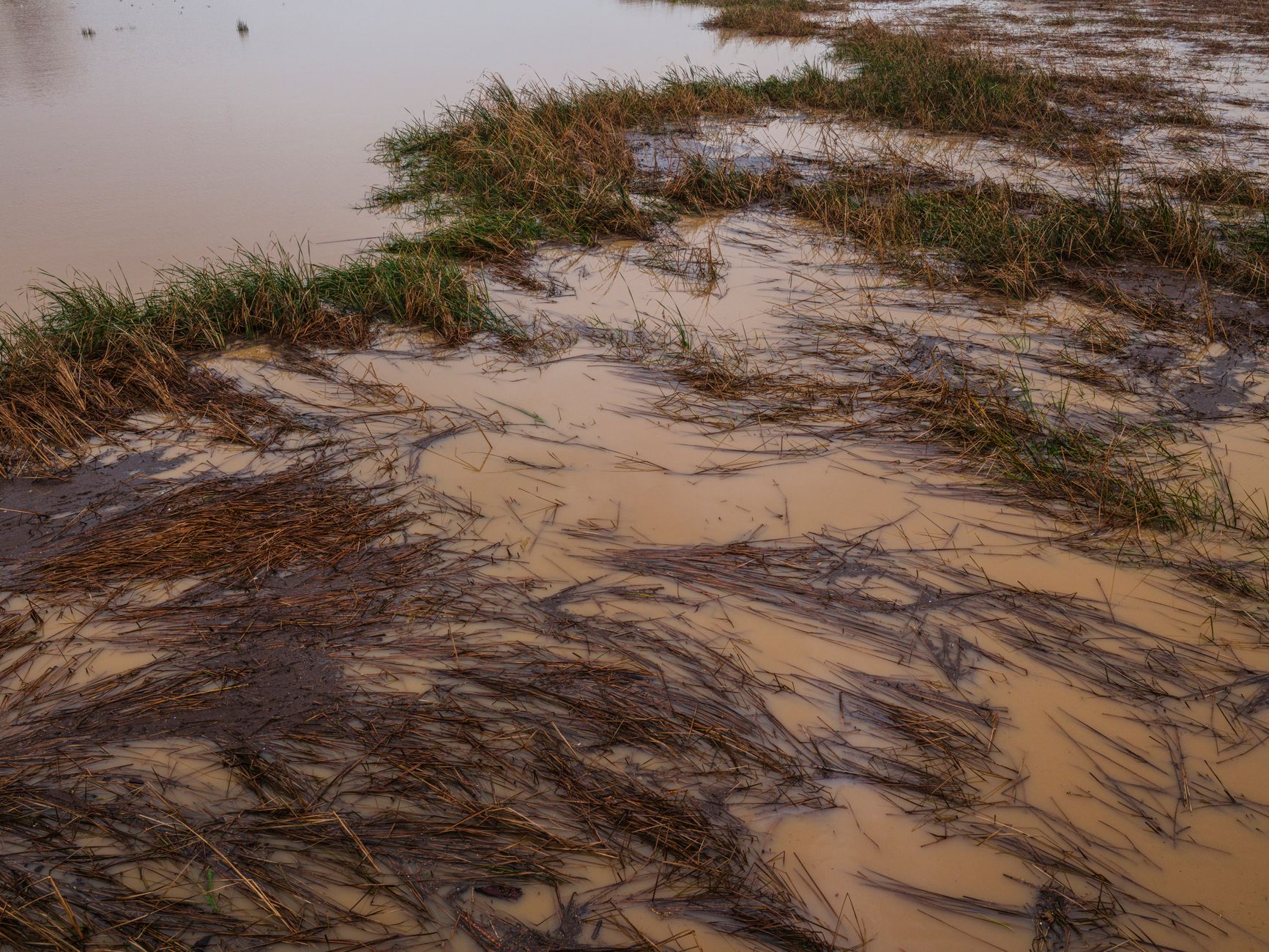
First and foremost, it’s critical to assess the damage thoroughly. Once it’s safe to do so, document everything. Take photos or videos of the affected areas, including ceilings, walls, floors, and personal belongings. This visual evidence will be invaluable when you file your insurance claim. Make sure to capture the extent of the water intrusion, as well as any visible mold growth or other issues that may arise from prolonged moisture exposure.
Understanding Your Insurance Policy
Before you dive deep into the claims process, review your insurance policy carefully. Look for specific coverage related to water damage and natural disasters. Different policies have various stipulations regarding what constitutes water damage, so it’s essential to know what your policy covers. If you’re unsure about any terms, consider reaching out to your insurance agent for clarification.
Gathering Necessary Documentation
Once you understand your coverage, start gathering the necessary documentation to support your claim. This includes:
- Your insurance policy details
- Photos and videos of the damage
- Receipts for any temporary repairs you’ve made
- Estimates or invoices from restoration contractors
Having this information organized will help streamline the claims process and ensure that you don’t miss any critical details.
Filing the Claim
When you’re ready to file your claim, contact your insurance company. Be prepared to provide all the documentation you’ve gathered. It’s advisable to do this as soon as possible, as many insurers have deadlines for filing claims after a disaster. During this initial conversation, ask what the next steps are and the timeline for processing your claim.
After filing, your insurer may send an adjuster to assess the damage. This person will evaluate the extent of the destruction and determine the payout based on your policy coverage. It’s a good idea to be present during this assessment to ensure all damage is accounted for. Share your documentation with the adjuster to help them understand the full impact of the situation.
Choosing Professional Help
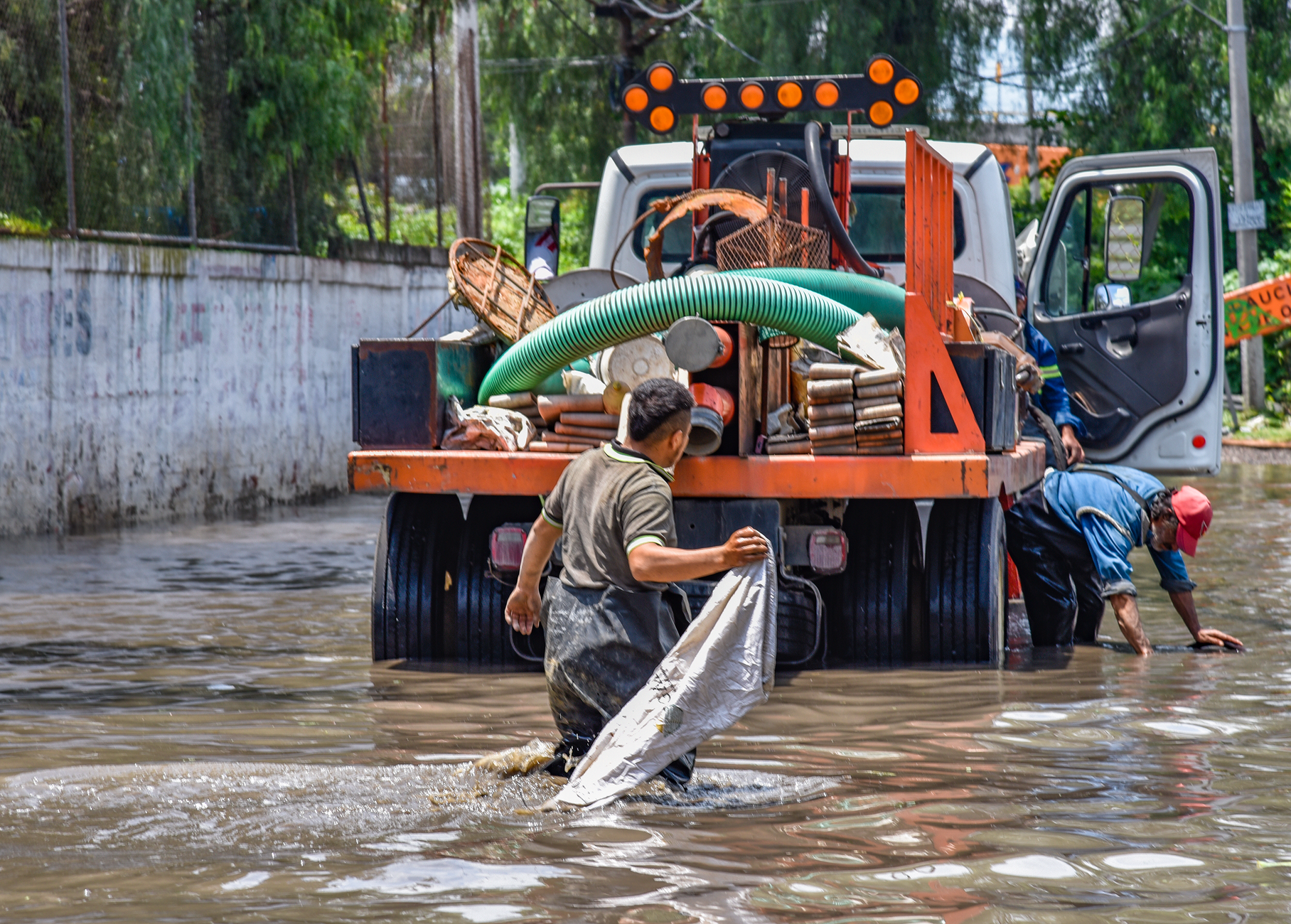
In many cases, hiring a professional restoration company can significantly aid in the claims process. They can provide detailed reports and estimates that your insurance company may require. Additionally, professionals are well-versed in navigating insurance claims and can help ensure you receive the compensation you deserve. If you're unsure where to start, you can find local experts to assist you with water damage restoration in Miami Dade.
For example, if you are near Coconut Creek, you might consider reaching out to Broward Restoration Pros for 24-hour water damage restoration services.
Dealing with Denials or Delays
Unfortunately, insurance claims don’t always go smoothly. If your claim is denied or you feel the payout is insufficient, don’t hesitate to appeal. Gather any additional evidence you can to bolster your case and consider consulting with a public adjuster or an attorney who specializes in insurance claims for more complex situations.
It’s also worth noting that you might need to address ongoing damages, such as mold or structural issues, especially if they arise from the initial water exposure. Taking prompt action can help prevent these problems from escalating further. Many homeowners in Miami Dade find themselves dealing with mold growth after hurricanes due to moisture retention, so be proactive about inspections and treatments.
Stay Informed and Engaged
Throughout the claims process, maintain communication with your insurance provider. Be proactive in asking for updates and ensuring that your claim is being processed in a timely manner. Keeping a record of all communications can be beneficial should any disputes arise.
While navigating the aftermath of a hurricane can be daunting, knowing how to manage your water damage claims effectively can make a significant difference. For further insights, you might want to check out this informative article on navigating insurance claims after water damage in Broward County.
In conclusion, while the process can be complex, with the right information and support, you can overcome the challenges of managing water damage claims after a hurricane in Miami Dade. Remember, the sooner you act, the better your chances of a successful claim.