How To Enhance Your Miami Dade Home's Resilience Against Mold After Water Damage
Living in Miami Dade County means enjoying a vibrant lifestyle, but it also brings unique challenges, especially when it comes to water damage and mold. Imagine returning home after a long day only to discover a leak in your kitchen—water pooling on the floor, walls damp to the touch. This scenario is not just an inconvenience; it can trigger mold growth, leading to health risks and costly repairs. Understanding how to enhance your home's resilience against mold after water damage is crucial for every homeowner.
Understanding Mold Growth
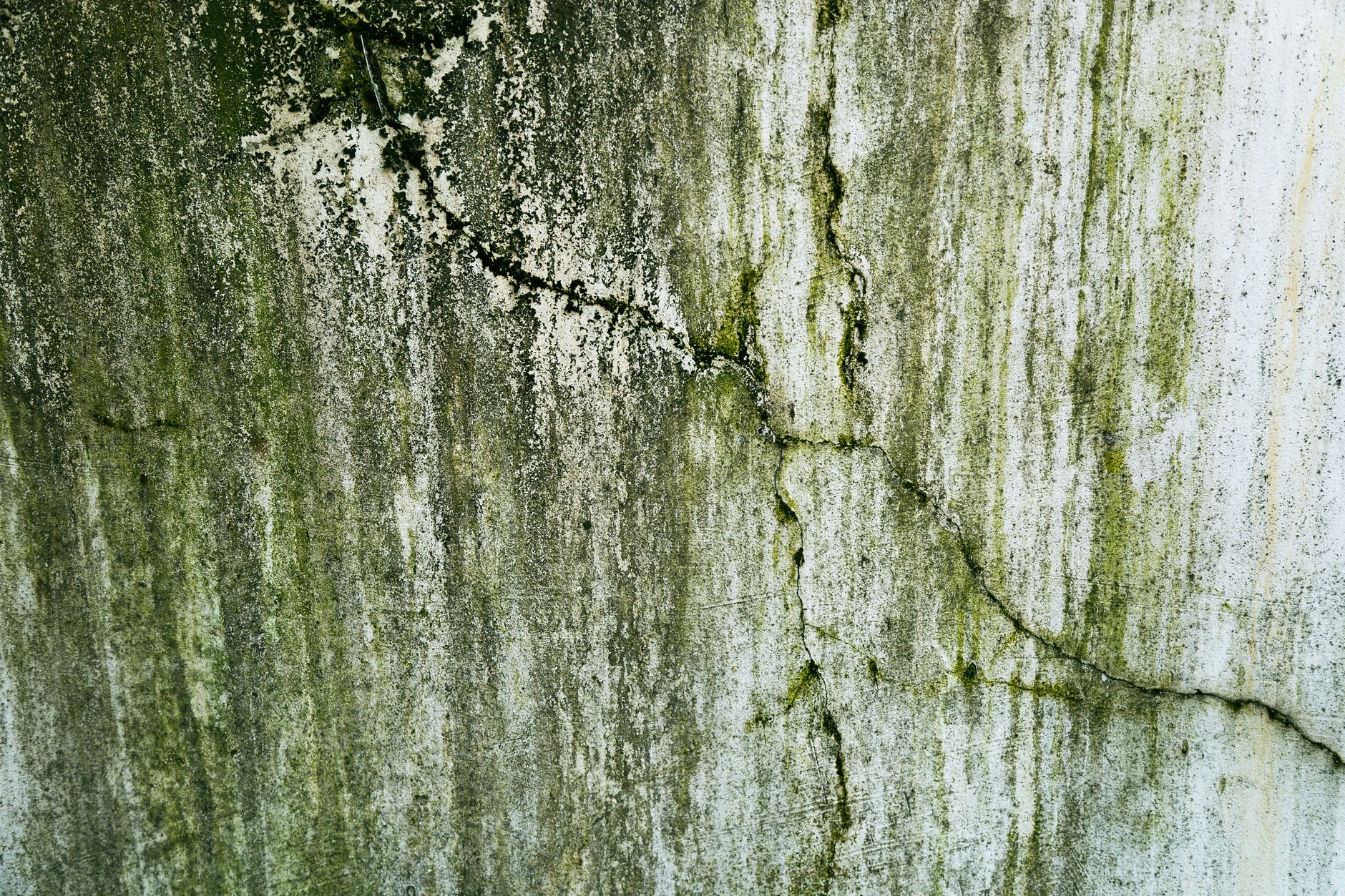
Mold thrives in damp, warm environments, which makes Miami's humid climate an ideal breeding ground. When water damage occurs, whether from a burst pipe, AC leak, or flooding, it’s essential to act quickly. Mold can begin to grow within 24 to 48 hours if the right conditions are present. This is why prompt action is vital.
Immediate Steps to Take After Water Damage
After experiencing water damage, your first instinct may be to dry things out as fast as possible. Here are some immediate steps you can take:
- Shut Off the Water Source: If you can identify the source of the leak, turn it off to prevent further flooding.
- Remove Excess Water: Use mops, towels, or a wet/dry vacuum to remove standing water from floors.
- Ventilate the Area: Open windows and doors to increase air circulation, which helps with drying.
- Call a Professional: Contact a restoration company to assess the damage and begin the remediation process.
Long-Term Mold Prevention Strategies
Once you've addressed the immediate water damage, it’s essential to implement long-term strategies to prevent mold from returning. Here are several effective ways to enhance your home’s resilience against mold:
1. Control Humidity Levels
Keeping indoor humidity low is key to preventing mold growth. Utilize dehumidifiers, especially in areas prone to moisture, such as basements and bathrooms. Aim to keep humidity levels below 50%.
2. Ensure Proper Ventilation
Good airflow can significantly reduce moisture levels. Make sure your home is well-ventilated. Install exhaust fans in high-moisture areas like kitchens and bathrooms, and use them regularly.
3. Use Mold-Resistant Products
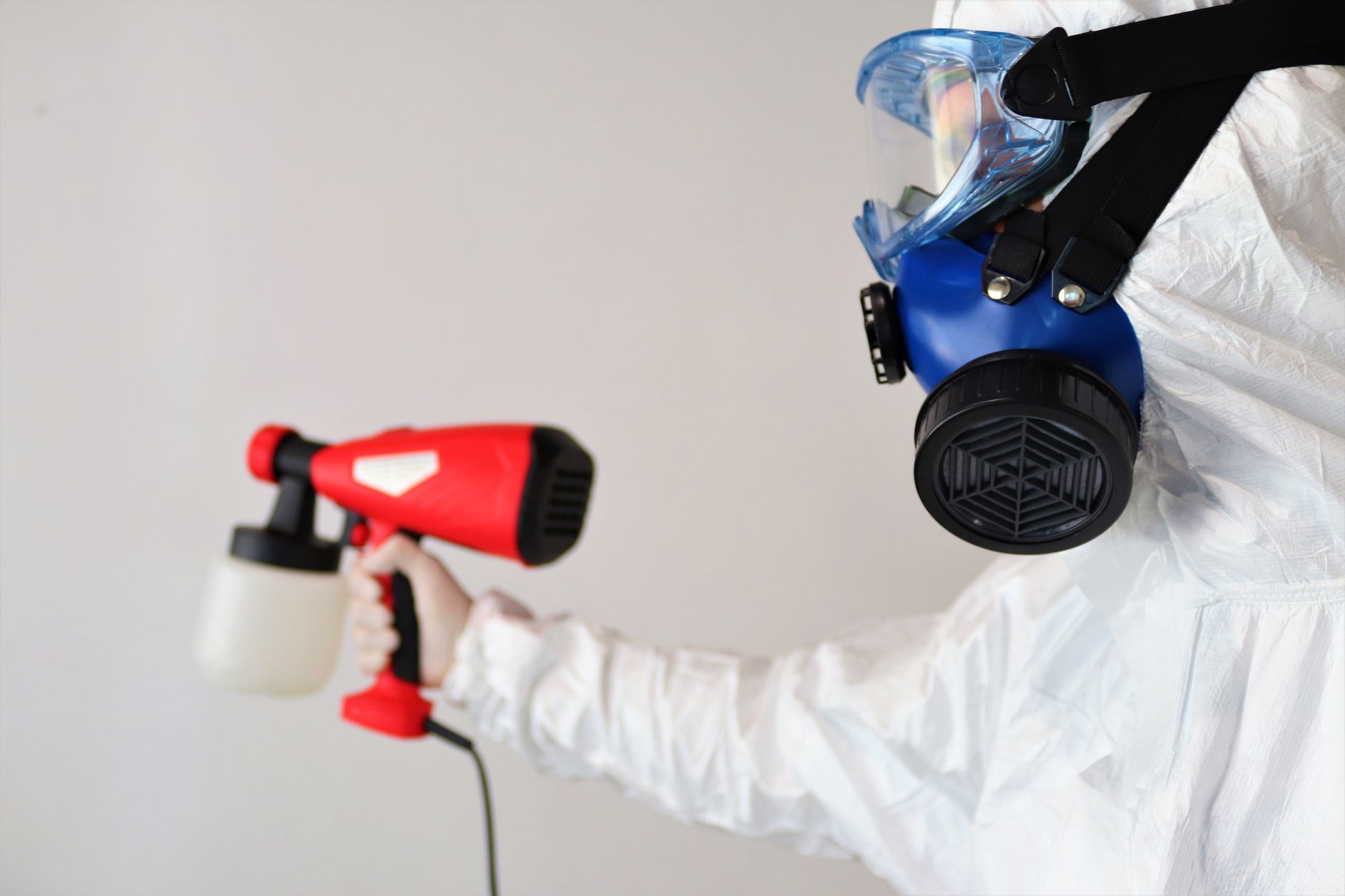
When renovating or repairing your home, consider using mold-resistant drywall and paints. These products can help inhibit mold growth in the future.
4. Regular Maintenance Checks
Regular inspections of your plumbing, roof, and appliances can catch leaks before they become significant issues. Pay special attention to areas where water may accumulate, such as under sinks and around appliances.
When to Call a Professional
If you suspect mold growth or have experienced significant water damage, it’s wise to contact a professional restoration service. They can perform a thorough assessment and provide necessary treatments, which may include antimicrobial treatments to eliminate mold spores and prevent future growth.
For those in the Miami Dade area, Palm Beach Mold And Water offers 24-hour water damage restoration services, ensuring you have access to help when you need it most.
Educate Yourself on Mold Remediation
Understanding the mold remediation process can empower you as a homeowner. Familiarize yourself with essential steps for effective mold removal, such as containment, air filtration, and removal of affected materials. For a deeper dive into this topic, check out the article on essential steps for swift mold remediation.
Conclusion
Enhancing your home’s resilience against mold after water damage involves immediate action, ongoing maintenance, and professional help when necessary. By taking these steps, you can protect your property and maintain a healthy living environment for you and your family. Remember, mold prevention is not just about managing the aftermath of water damage; it’s about creating a proactive plan to ensure your home remains safe and sound.